The Problem with Traditional Call Center Infrastructure
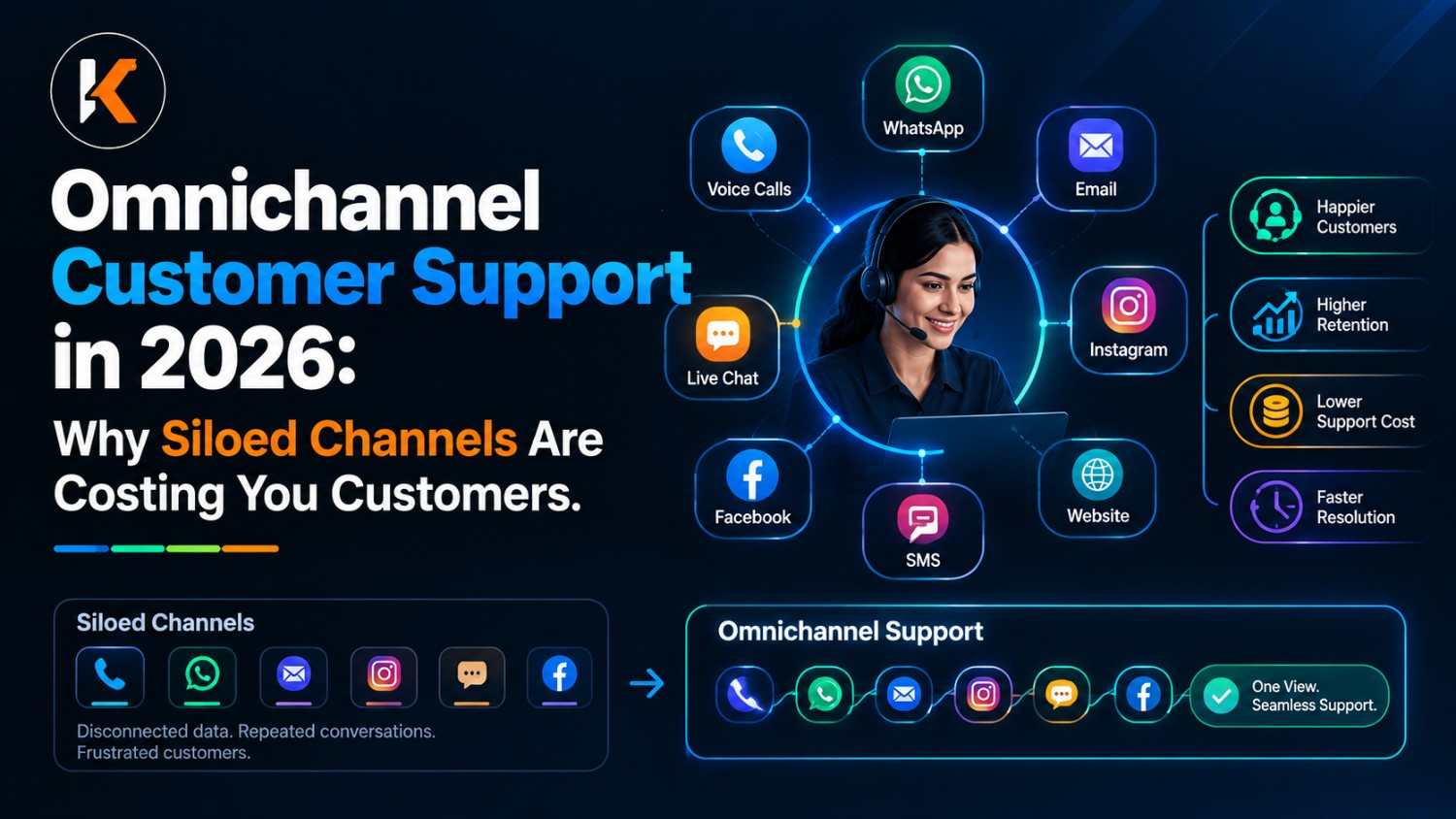
Most legacy call center systems were built as closed boxes. They handled dialing, logged calls, and maybe generated a basic report — but they didn't talk to anything else. Your CRM lived in one silo, your ticketing system in another, and your lead data somewhere in between. Agents spent as much time switching tabs and manually copying data as they did actually talking to customers.
For enterprises managing thousands of daily interactions — especially in BFSI, where compliance and speed both matter — this disconnect isn't just inefficient. It's a liability. A missed follow-up, a duplicate call, or a lead that falls through the cracks between systems can directly cost revenue or trigger a compliance issue.
The fix isn't a bigger call center. It's a better-connected one.
Why API Integration Is the Real Differentiator
The single biggest shift in modern call center software is that dialers no longer operate in isolation — they're built to be API-integration-ready from the ground up. This means your auto dialer, CRM, ticketing system, lead management platform, and even payment gateways can exchange data automatically, in real time, without manual intervention.
Practically, this looks like:
- Automatic data sync. When a lead comes in from a website form, a social media campaign, or a referral, it's pushed instantly into the dialer's queue — no manual upload, no delay.
- Unified customer context. The moment an agent picks up a call, they see the customer's full history — previous tickets, past interactions, CRM notes — pulled via API from connected systems, instead of hunting across five different dashboards.
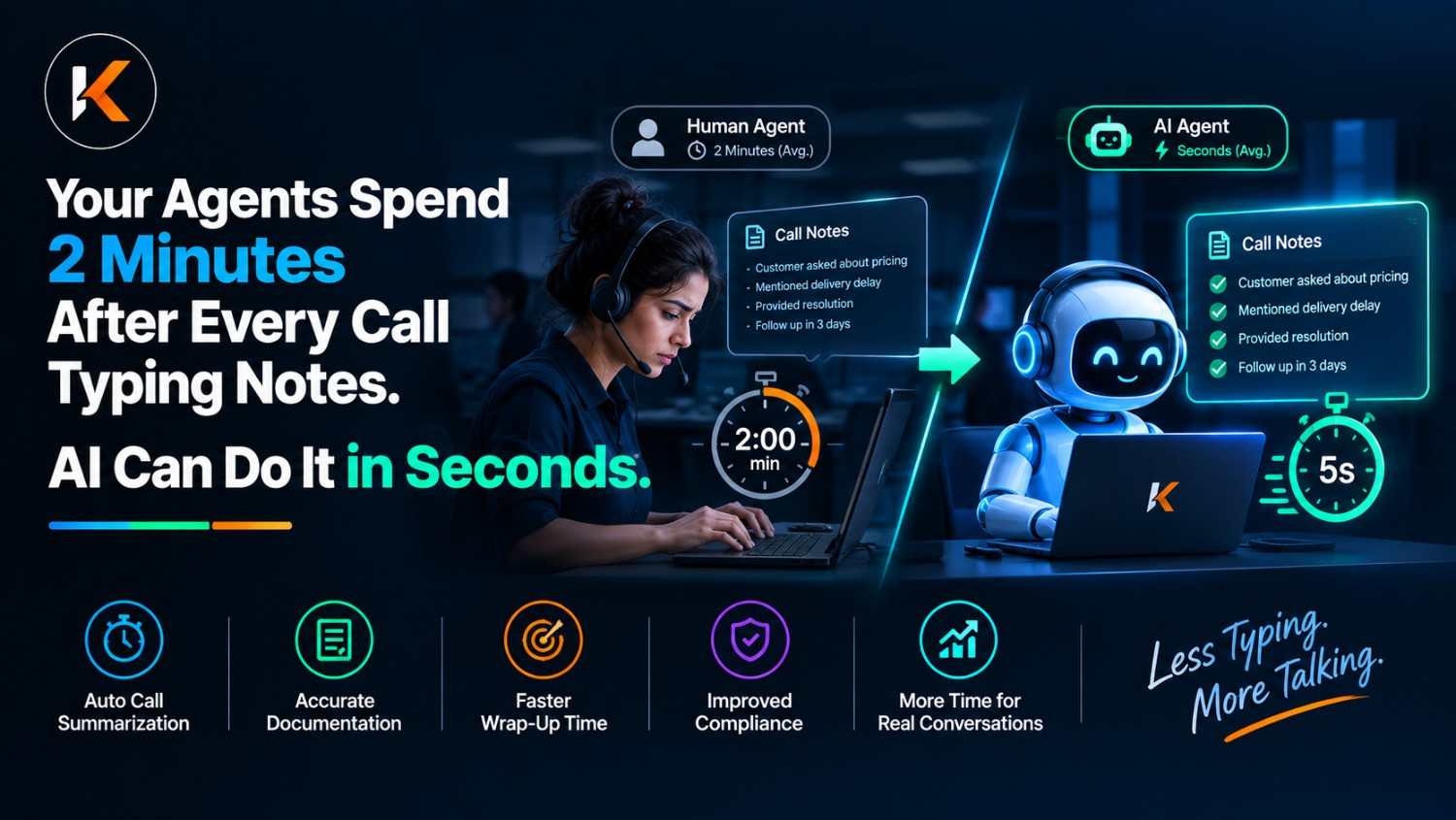
- Workflow automation. Repetitive tasks like updating call dispositions, logging outcomes, or triggering follow-up tasks happen automatically through API calls, freeing agents to focus on actual conversations.
This is the architecture that separates a modern, scalable platform from a legacy dialer bolted onto a spreadsheet.
IVR: The First Layer of Intelligence
Interactive Voice Response (IVR) is often thought of as just "press 1 for sales, press 2 for support" — but in a well-integrated system, IVR is doing far more technical work than routing.
A properly engineered IVR layer:
- Pre-qualifies callers before they ever reach an agent, using stored customer data pulled via API (account status, past complaints, purchase history) to route them to the right specialist.
- Reduces average handling time (AHT) by collecting structured inputs upfront — account number, issue type — so agents start the call with context instead of gathering it live.
- Feeds real-time analytics. Every IVR interaction generates data: where callers drop off, which menu options cause confusion, which paths lead to fastest resolution. That data loops back into the system to continuously refine call flows.
For BFSI clients specifically, IVR also plays a compliance role — verifying identity and consent before sensitive information is discussed, with every step logged for audit purposes.
Predictive Dialing: Efficiency Without Sacrificing Compliance
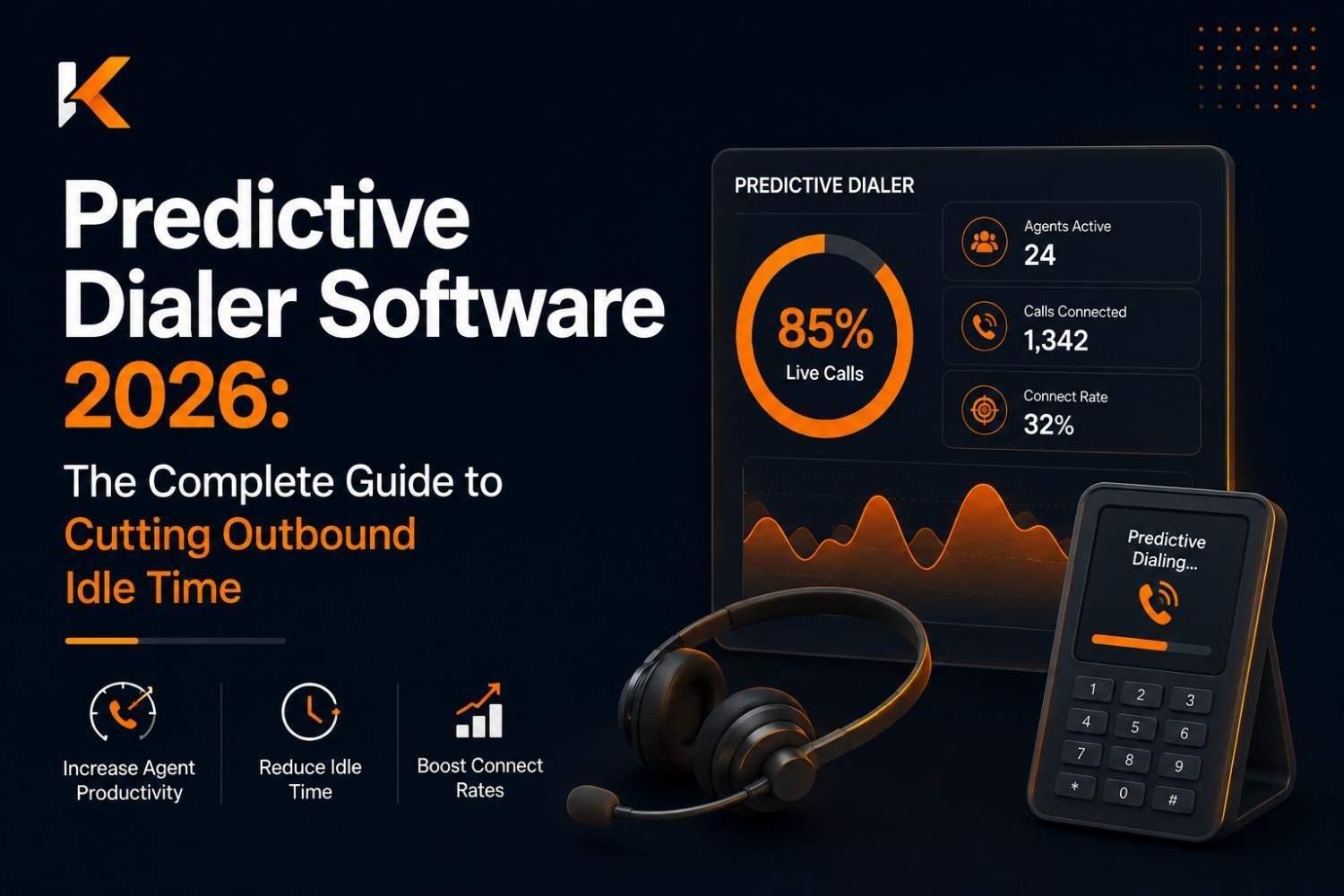
Predictive dialers use algorithms to dial multiple numbers simultaneously, predicting agent availability based on historical call patterns, average call duration, and current queue status. Done well, this can dramatically increase talk-time-to-idle-time ratios for outbound teams.
But predictive dialing has a technical tightrope to walk:
- Abandonment rate control. Dial too aggressively and you generate abandoned calls — a regulatory red flag in many markets, and a poor customer experience.
- Real-time recalibration. The algorithm needs to constantly adjust its pacing based on live agent availability, not just historical averages, or it will over- or under-dial.
- Integration with do-not-call and compliance lists. Every dial needs to be checked against suppression lists in real time via API, not batch-updated overnight — a stale list is a compliance risk.
This is why predictive dialing isn't just a "faster auto dialer" — it's a real-time system that depends on tight integration between the dialing engine, compliance databases, and live agent-status data.
Real-Time Analytics: Closing the Feedback Loop
None of the above matters without visibility. Enterprise call centers need dashboards that update in real time, not end-of-day reports. Key metrics that matter at a technical and operational level include:
- First call resolution (FCR) rate, broken down by agent, queue, and IVR path
- Average handling time, correlated with which systems (CRM, ticketing) the agent had to access mid-call
- Abandonment rate, tracked against dialer pacing settings
- API latency and uptime, since a lagging integration between the dialer and CRM directly degrades agent performance
Real-time analytics isn't a reporting feature bolted on after the fact — it needs to be built on the same event stream that powers the dialer, IVR, and CRM integration, so managers are looking at what's actually happening, not a delayed snapshot.
Designing for Scale: 10 Agents to 10,000
A platform that works for a 10-agent team and one that works for a 500-agent enterprise are architecturally different problems. Scaling a call center platform reliably requires:
- Cloud-native infrastructure that scales horizontally as agent count grows, without requiring a re-architecture at each growth stage.
- Tenant isolation, so that one team's traffic spike or misconfigured campaign doesn't degrade performance for others sharing the platform.
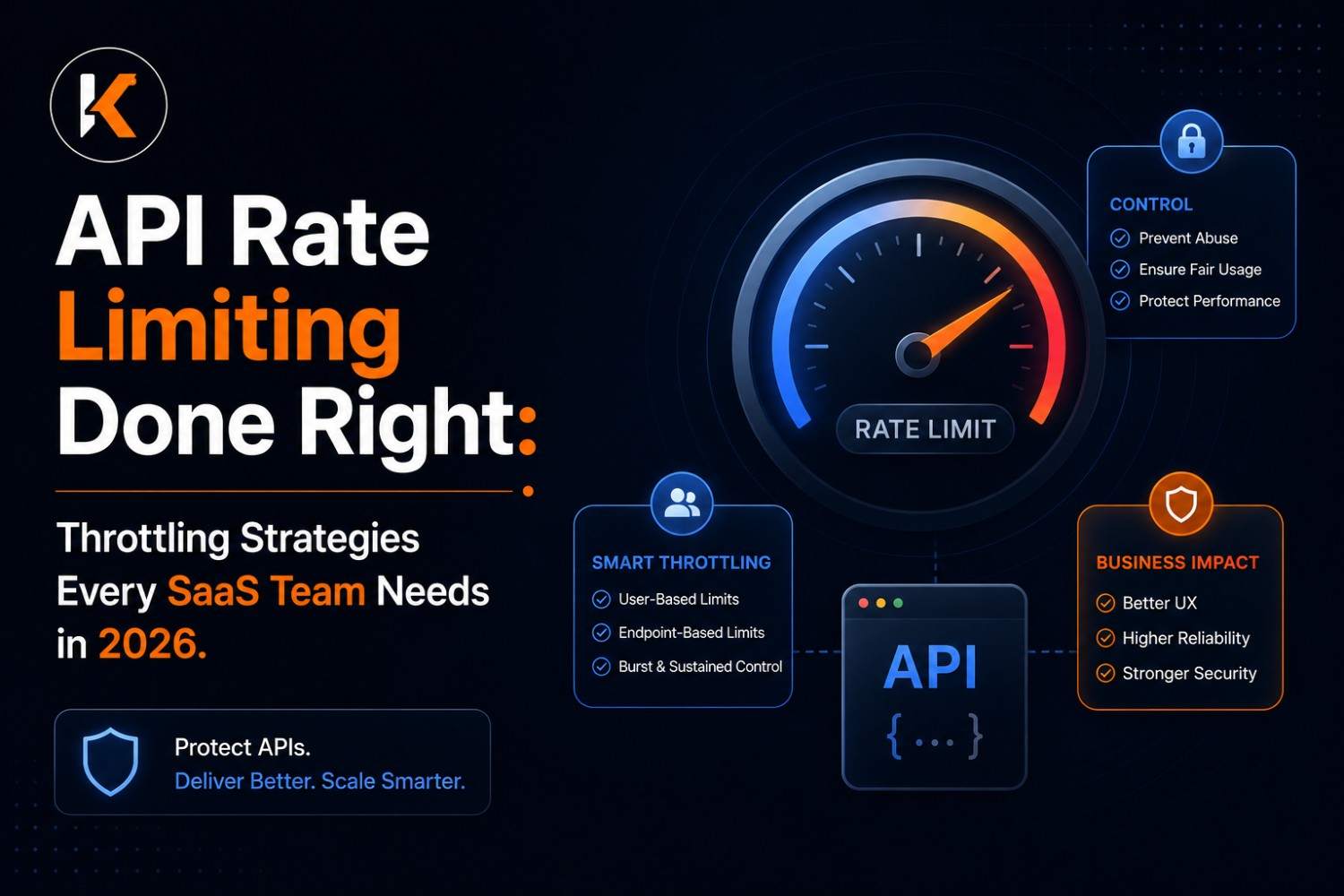
- API rate limiting and throttling on integrations themselves — since a CRM or ticketing system sync that isn't properly rate-limited can become the bottleneck that slows down the entire call flow during peak hours.
- Redundancy and failover, especially for BFSI and enterprise clients who cannot tolerate downtime or dropped calls, ever.
This is the layer most vendors underestimate — it's easy to build a dialer that works well in a demo with 10 agents. It's much harder to build one that holds up at 500+ agents processing millions of interactions without a single dropped compliance log.
What to Look for in a Call Center Platform
If you're evaluating platforms, the technical questions worth asking are:
- Is the API integration bidirectional and real-time, or batch-based?
- How does the predictive dialer handle compliance list updates — real-time or scheduled?
- What's the SLA on uptime, and how is failover handled?
- Can the CRM/ticketing integration be customized without vendor dependency for every change?
- Is analytics built on live data streams, or aggregated reports refreshed periodically?
These aren't cosmetic differences — they determine whether your call center scales smoothly or hits a wall at 200 agents.
Bringing It All Together
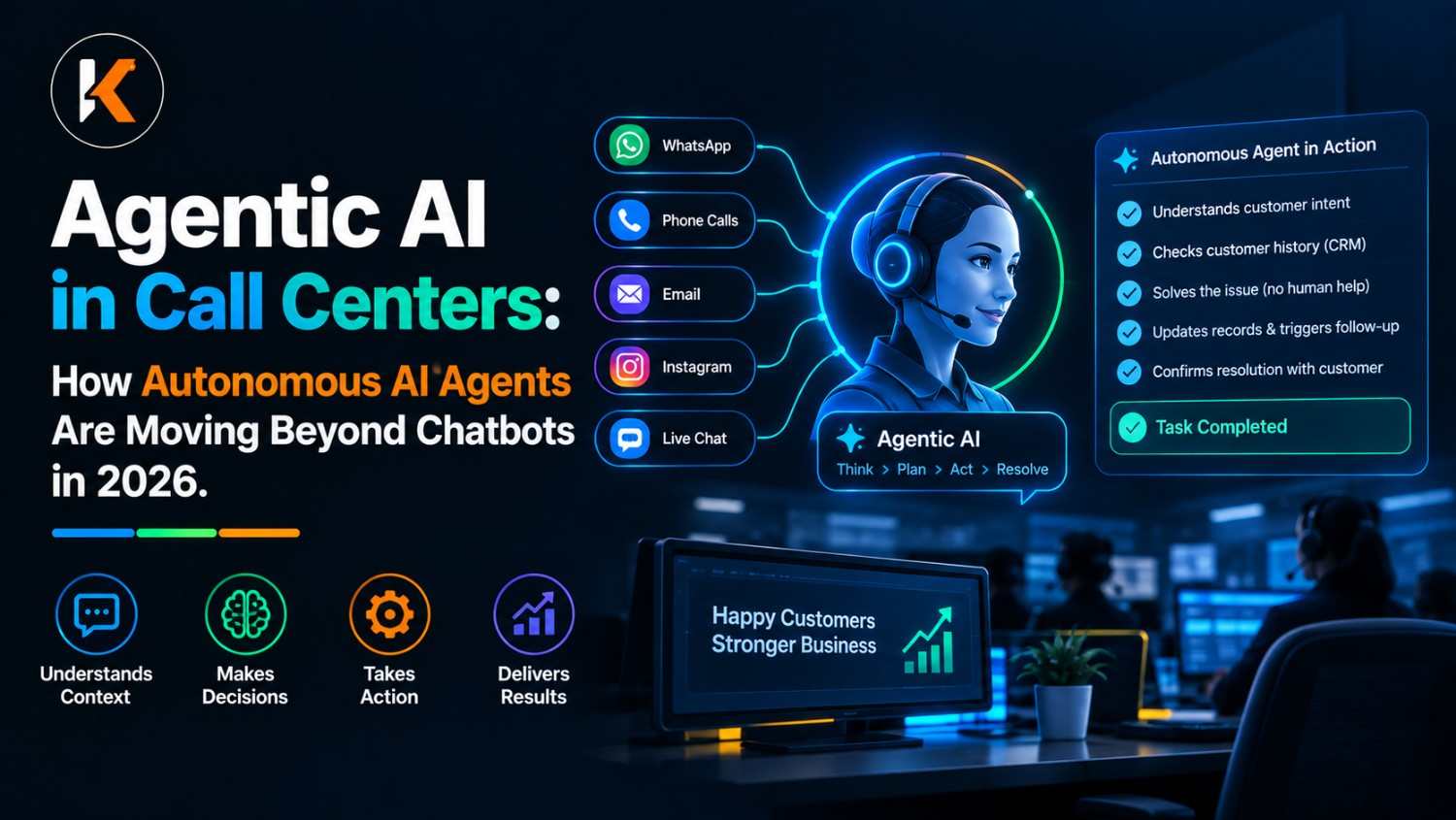
The best call center platforms today aren't just dialers — they're integrated ecosystems where IVR, predictive dialing, CRM, ticketing, lead management, and analytics all share data in real time through APIs. This is what allows a platform to serve a 10-seat startup team and a 500-agent BFSI enterprise with the same underlying architecture, just scaled differently.
KRUDRA-CX has built its platform around exactly this principle — an IVR-enabled auto dialer with real-time analytics, customizable CRM, and API-integration-ready architecture, trusted by 500+ enterprises including major banks that cannot afford downtime or compliance failures
Want the full technical breakdown of KRUDRA-CX's platform architecture, features, and enterprise case studies?
Download our free Company Profile to see how KRUDRA-CX's IVR-enabled auto dialer, predictive dialing, and API integration capabilities are built to scale — from 10 agents to 10,000.