Introduction: Your Customers Aren't Waiting in One Line Anymore
A customer emails a complaint on Monday. Gets no response by Wednesday, so they call. The agent who picks up has no idea an email was ever sent, asks them to explain the issue from scratch, and promises to "look into it." Thursday, the same customer, now frustrated, sends a message on WhatsApp. A different agent responds — again, starting from zero.
This isn't a hypothetical. It's the daily reality inside most contact centers still running on multichannel — not omnichannel — infrastructure. The difference between those two words is small on paper and enormous in practice, and it's the difference between a customer who stays and one who churns while telling five people why.
This guide breaks down what omnichannel contact center software actually means, why "multichannel" and "omnichannel" are not the same thing despite being used interchangeably, what to look for in a 2026-ready platform, and how to build the business case for making the switch.
Omnichannel vs. Multichannel: The Distinction That Actually Matters
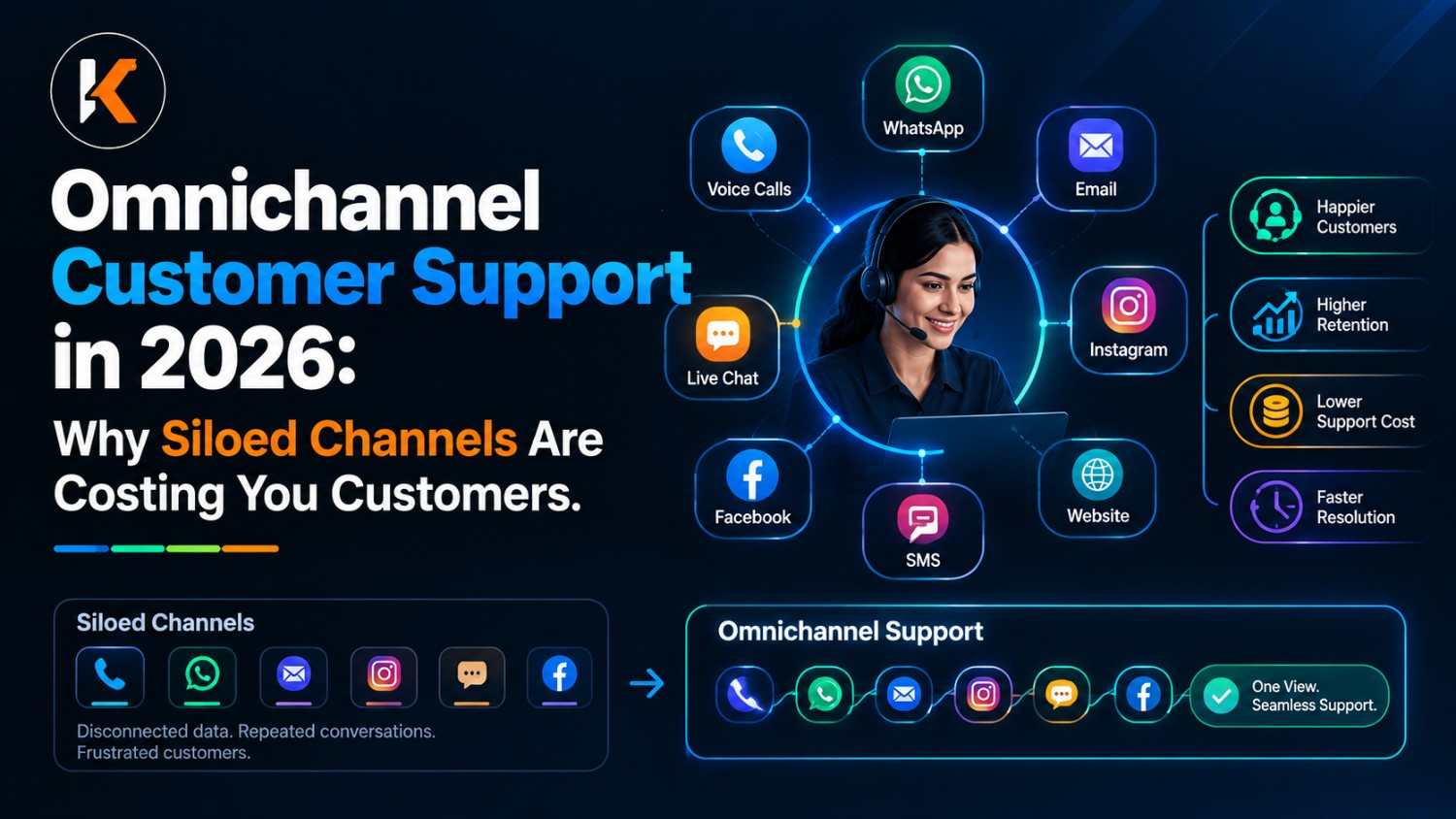
Most contact centers today are multichannel — they support voice, email, live chat, and maybe SMS or WhatsApp, but each channel operates as its own silo. Different queues, different histories, sometimes even different software platforms entirely. The customer can reach the business in multiple ways, but the business can't see the full picture of any single customer across those ways.
Omnichannel means every one of those channels feeds into a single, unified customer record and a single, unified queue. When a customer emails, then calls, then messages on chat, the agent handling any one of those touchpoints sees the entire conversation history — not just the piece that happened to arrive through their channel.
The practical test: if an agent has to ask a returning customer to repeat something they already explained through a different channel, the business is running multichannel, not omnichannel, no matter what the marketing on the software says.
Why This Gap Is Costing More Than It Used To
A few shifts have made the omnichannel gap far more expensive than it was even five years ago.
Customers now default to whichever channel is convenient in the moment, not the one they used last time. A single customer might message on Instagram in the morning, call at lunch, and email at night — all about the same issue. If those touchpoints aren't connected, the business is functionally starting three separate relationships with the same person.
Channel-switching has become the norm, not the exception, for complex or urgent issues. Customers frequently start on a low-friction channel like chat and escalate to a call when the issue isn't resolved quickly. If context doesn't carry over, that escalation becomes a second cold start instead of a natural continuation.
Support quality is now a bigger driver of retention than price for most B2B and B2C relationships. A disjointed, repetitive support experience doesn't just frustrate a customer in the moment — it actively signals that the business doesn't have its operations together, which erodes trust well beyond the specific issue being raised.
Support teams themselves pay the tax in efficiency. Agents juggling separate tabs and separate systems for chat, email, and calls spend meaningful time just navigating between tools instead of resolving issues — time that shows up directly in average handle time and cost per resolution.
What Omnichannel Contact Center Software Actually Does
At its core, an omnichannel platform performs three functions that separate it from a bundle of disconnected channel tools:
1. Unified customer identity. Every interaction — regardless of channel — gets tied to a single customer profile using identifiers like phone number, email, or account ID. This is the foundation everything else depends on; without accurate identity resolution, "omnichannel" is just a marketing label on a multichannel tool.
2. Unified conversation history. Every past interaction, across every channel, is visible to any agent handling that customer next, in one continuous timeline — not scattered across separate inboxes or call logs.
3. Unified routing and queue management. Instead of separate queues per channel, interactions route based on agent skill, availability, and priority across all channels simultaneously, so a team isn't overstaffed on one channel and drowning in another at the same time.
Everything else — blended agent workspaces, cross-channel automation, unified reporting — is built on top of those three foundations.
Key Features to Look For in 2026
The category has matured well past "we support five channels." Here's what separates a platform genuinely built for omnichannel operations from one that's stitched together:
True unified inbox, not tabbed switching. Agents should see and respond to voice, chat, email, and messaging apps from a single interface, with full context, without toggling between separate tools or browser tabs.
Context-aware routing. Routing decisions should factor in not just channel and skill, but the customer's history — a high-value account with an unresolved issue from yesterday shouldn't land in a general queue today.
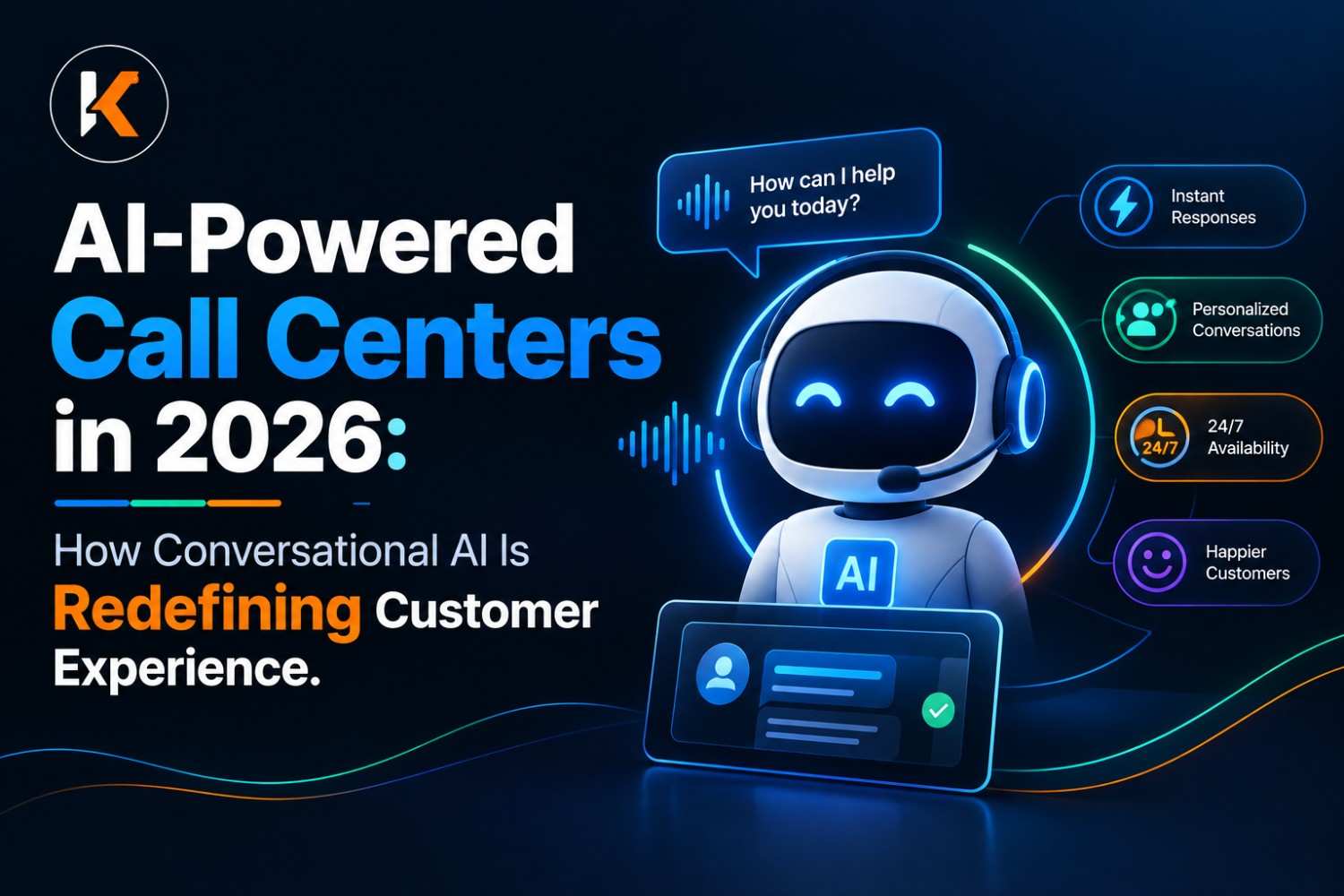
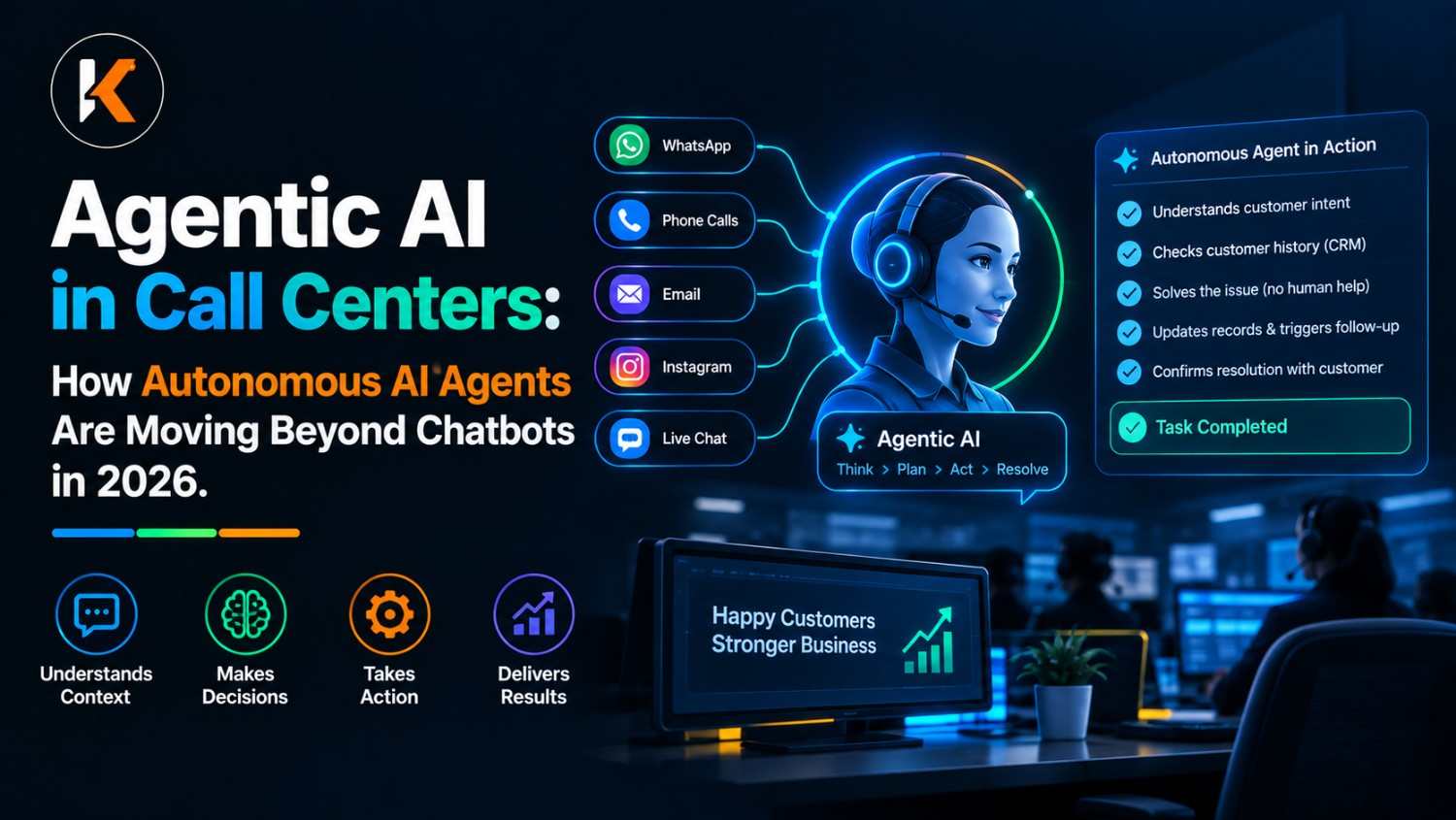
Cross-channel automation and bots. AI-driven chatbots and voice bots that can resolve simple queries or gather information before handoff should share the same knowledge base and customer context as human agents, so a bot-to-human handoff doesn't reset the conversation.
Unified reporting across channels. Metrics like first response time, resolution time, and CSAT need to be measurable both per-channel and blended, so leadership can see the full picture of service quality rather than five disconnected dashboards.
Native CRM and helpdesk integration. The platform should sync customer data bidirectionally with CRM and ticketing systems in real time, not through nightly batch syncs that leave agents working from stale information.
Scalable, cloud-native architecture. On-premise systems struggle to add new channels (like WhatsApp Business or Instagram DMs) without significant custom development. Cloud-native platforms typically roll out new channel support centrally and make it available instantly.
Sentiment and priority detection. AI-driven sentiment analysis that flags frustrated or high-risk customers in real time — regardless of which channel they're writing or calling from — lets teams intervene before a routine issue becomes a churn event.
Building the Business Case: What Changes When You Go Omnichannel
Lower average handle time. Agents stop wasting the first two to three minutes of every interaction re-establishing context the customer already provided somewhere else.
Higher first-contact resolution. With full history visible, agents solve more issues on the first real interaction instead of needing a follow-up because the previous channel's context was lost.
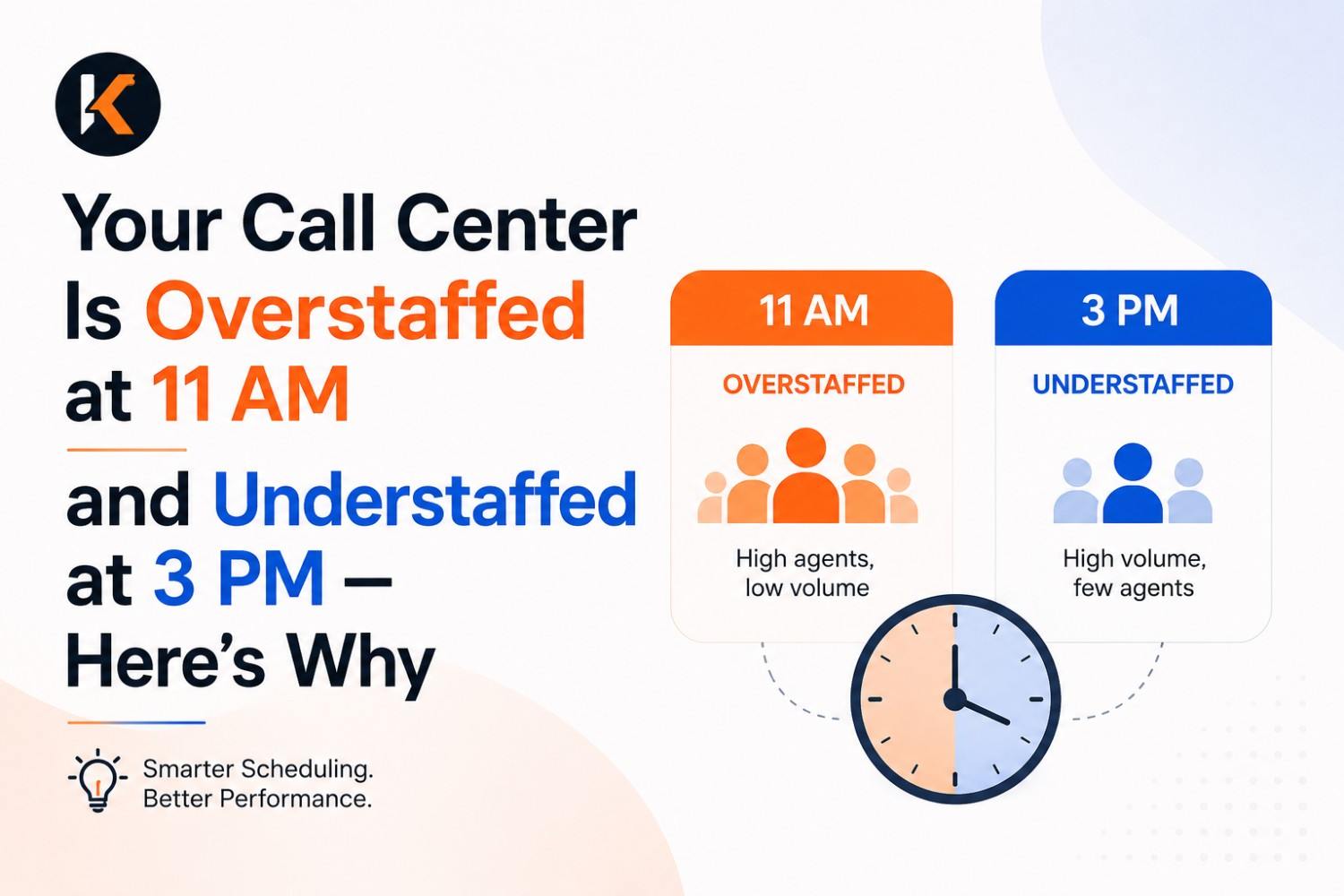
Better channel-mix efficiency. Unified queues let teams staff based on actual blended volume and complexity, rather than over-resourcing quiet channels while urgent ones back up.
Improved CSAT and retention. Customers consistently rate their experience higher when they don't have to repeat themselves — this shows up directly in satisfaction scores and, over time, in retention and expansion revenue for B2B accounts.
Reduced tooling costs. Consolidating five separate channel tools into one platform typically reduces total software spend even after accounting for the omnichannel platform's cost, simply by eliminating redundant licensing.
A simple way to frame the ROI conversation internally: calculate the current average handle time across channels, estimate how much of that time is spent on context-gathering versus actual resolution, and project the reduction once agents aren't re-asking questions customers already answered elsewhere.
Common Mistakes When Moving to Omnichannel
Treating it as a software swap instead of a process change. Buying an omnichannel platform doesn't automatically fix broken workflows — teams that don't also redesign routing rules, escalation paths, and agent training around unified context often end up with expensive multichannel software running in omnichannel clothing.
Migrating all channels at once. Trying to move voice, chat, email, SMS, and social simultaneously creates chaos during transition. A phased rollout — starting with the two or three highest-volume channels — lets teams validate routing and reporting before adding complexity.
Ignoring data migration quality. If historical customer data and conversation history aren't migrated cleanly into the new unified system, agents lose exactly the context the whole project was meant to preserve. Data migration deserves as much planning time as feature selection.
Underestimating agent training needs. Agents used to single-channel workflows need real training on managing blended queues and multi-threaded conversations — this isn't intuitive on day one, and skipping it shows up as slower handle times in the first few weeks post-launch.
Choosing channel breadth over integration depth. A platform boasting "12 supported channels" is less valuable than one with airtight integration across the 4–5 channels a business actually uses heavily. Depth of unification matters more than a long feature list.
A Practical Vendor Evaluation Checklist
- Does the platform maintain one unified customer profile across all channels, or separate records that require manual matching?
- Can an agent see full cross-channel history in a single view, without switching tools?
- How does routing account for customer history and priority, not just channel and agent skill?
- Are bots and automation built on the same knowledge base as human agents, so handoffs preserve context?
- Is reporting available both per-channel and blended across the full customer journey?
- What's the real integration depth with the existing CRM/helpdesk — native, API-based, or manual export?
- Is the platform cloud-native, with new channels addable without custom development?
- What does the data migration process look like, and who owns quality assurance on it?
- What's the onboarding and training support for agents moving from single-channel to blended workflows?
- How transparent is pricing as channel volume and headcount scale?
Where Omnichannel Is Headed Next
AI-driven conversation stitching. Platforms are increasingly using AI to automatically detect when separate interactions — even across channels with no shared identifier — likely belong to the same customer issue, closing identity-resolution gaps that used to require manual matching.
Proactive channel switching. Instead of customers manually escalating from chat to voice, emerging systems are starting to recommend or initiate a channel switch automatically when sentiment or complexity signals suggest a call would resolve the issue faster than continued messaging.
Unified voice and digital AI agents. The line between voicebots and chatbots is disappearing, with a single conversational AI layer increasingly handling both channels using the same logic and knowledge base, rather than requiring separate bot-building efforts.
Deeper predictive routing. Beyond current availability and skill, routing is trending toward factoring in predicted resolution likelihood — sending a conversation to the specific agent statistically most likely to resolve that customer's specific type of issue quickly, not just the next available one.
Teams evaluating platforms today should weigh not just current channel support, but how quickly a vendor has historically added new channels and AI capabilities — because the channels customers use two years from now will almost certainly include ones that don't exist yet.
Conclusion: Customers Remember the Repetition, Not the Channel
No customer has ever left a five-star review because a company supported chat, email, and voice. But plenty have left one-star reviews — and taken their business elsewhere — because they had to explain the same problem three times to three different people who had no idea the others existed. Omnichannel contact center software isn't really about channels at all. It's about making sure the business remembers its customers even when its customers don't remember which channel they used last.
The technology to fix this has existed for years. What's changed in 2026 is how unforgiving customers have become of businesses that haven't fixed it — and how measurable the cost of staying multichannel has gotten, in agent time, in CSAT, and in retention.
Tired of your team asking customers to repeat themselves?
KrudraCX's omnichannel contact center platform unifies voice, chat, email, and messaging into one agent workspace, with real-time cross-channel history, smart routing, and native CRM sync built in from day one. Book a free live demo today and see exactly how much repeat-context time your team could eliminate this month — no channel silos, no stitched-together tools, just one system your agents and your customers can actually trust.
Book Your Free KrudraCX Demo →