Introduction
Cold calling is not dead. It has just evolved.
In 2025, outbound calling remains one of the highest ROI activities in B2B and B2C sales when done right. The difference between a rep who books 3 meetings a week and one who books 15 often comes down to one thing — the script.
But here is the thing. A great sales script is not a rigid robotic monologue you read off a screen. It is a flexible framework that guides your conversation, handles objections smoothly, and moves the prospect toward a decision — all while sounding completely natural.
This guide covers the best sales scripts for outbound calling teams, broken down by scenario, with deep explanations of why each part works, common objections, and how to train your team to use them at scale.
Why Sales Scripts Matter More Than Ever
Before diving into the scripts themselves, let us understand why having a structured script is non-negotiable for outbound calling teams.
First, consistency. When your team of 10 reps is making 50 calls each per day, you cannot afford to have 10 wildly different approaches. Scripts create a baseline that ensures every prospect gets a professional, value-driven experience.
Second, confidence. New reps struggle most with the first 30 seconds of a call. A solid script eliminates the "uh... so... um" moments and helps reps sound confident from the very first word.
Third, data and optimization. When everyone uses a similar framework, you can A/B test openers, track which value propositions land better, and continuously improve. Without a script, you are optimizing chaos.
Fourth, objection handling. Scripts include pre-built responses to the most common pushbacks — "I'm busy," "we already have a vendor," "send me an email." Without prepared responses, reps either freeze or give up too easily.
The Anatomy of a Great Outbound Sales Script
Every high-performing outbound script has six core parts:
1. The Opener — Who you are and why you are calling. This must be done in under 10 seconds.
2. The Permission Bridge — A micro-commitment question that keeps the prospect on the line without feeling ambushed.
3. The Value Hook — One sentence that explains what you do in terms of outcomes, not features.
4. The Qualifying Question — A question that either confirms they are a fit or filters them out early so you do not waste time.
5. The Discovery Zone — 2 to 3 questions that uncover pain points, goals, and urgency.
6. The Close — This is not closing the deal. In outbound cold calling, the close is usually closing for a meeting, a demo, or the next step.
Now let us go through the actual scripts.
Script 1: The Classic Cold Call Script (B2B SaaS / Services)
This is your workhorse. Use this when calling decision-makers at companies that match your ICP (Ideal Customer Profile).
Opener: "Hi [First Name], this is [Your Name] calling from [Company]. Did I catch you at a bad time?"
Now, many sales trainers will tell you never to ask this question. But research from Gong.io shows that asking "Did I catch you at a bad time?" actually increases success rates because it shows respect for the prospect's time and immediately differentiates you from aggressive cold callers.
Permission Bridge: "Great. I'll be quick. The reason I'm reaching out is we work with [type of company] like yours and help them [specific outcome — e.g., reduce their customer churn by 20% in 90 days]."
Notice the specificity. Not "we help companies grow." That means nothing. "We help SaaS companies reduce churn by 20% in 90 days" — that is a result someone can visualize.
Value Hook + Qualifying Question: "I was curious — is [the specific problem] something your team is actively working on right now, or is it more of a back-burner priority?"
This question is genius for two reasons. One, it does not assume they have the problem. Two, even if they say it is a back-burner priority, you now have an opening to ask when it will move forward.
Discovery Zone: If they engage, follow with:
"How are you currently handling [problem area]?" "What does that process look like for your team today?" "If you could wave a magic wand and change one thing about how you [do X], what would it be?"
These questions are designed to make the prospect think out loud about their pain. The more they articulate the problem, the more they sell themselves on needing a solution.
The Close: "Based on what you're sharing, I think there could be a real fit here. I'd love to set up a 20-minute call with you and [relevant team member] to show you exactly how we've helped companies like [similar company] achieve [result]. Does [day] or [day] work better for you?"
Always give two specific day options. Never ask "when are you free?" — that forces work onto the prospect and often leads to "I'll check my calendar and get back to you," which is a polite no.
Script 2: The Referral-Based Cold Call Script
This script works when you have a mutual connection or have been referred by someone the prospect knows. Referral calls have 3x higher connect-to-meeting conversion rates compared to cold calls with no connection.
Opener: "Hi [First Name], my name is [Your Name] from [Company]. I was speaking with [Referral Name] last week, and they mentioned you'd be a great person to connect with."
Using the referral's name immediately builds trust. The prospect is no longer talking to a stranger — they are talking to someone their contact vouches for.
Permission Bridge + Value Hook: "[Referral Name] mentioned your team is scaling your [sales/marketing/ops] team pretty aggressively right now. We helped [Referral's Company] [specific result], and [Referral Name] thought you might be facing similar challenges."
Now you are not selling. You are delivering information that feels relevant and timely. The prospect's natural curiosity kicks in.
Qualifying Question: "Is that the case — are you currently in a growth phase where [the specific challenge] is starting to become a bottleneck?"
Discovery and Close follow the same structure as Script 1.
Pro tip: Always follow up this call with a short email that cc's the referral (with their permission). It dramatically increases reply rates.
Script 3: The Trigger Event Script
A trigger event is something that has happened recently to the prospect's company that creates an opening for your product or service. Examples include:
- They just raised funding
- They just posted 10 new job openings in sales
- Their CEO just gave a keynote about scaling operations
- They just acquired a company
- A new decision-maker just joined their leadership team
Trigger event scripts have the highest relevance because you are calling at the exact right moment.
Opener: "Hi [First Name], this is [Your Name] from [Company]. I saw [Company Name] just [trigger event — e.g., closed your Series B / hired 15 new sales reps / announced your expansion into Europe]. Congrats on that — that is a huge milestone."
This opener immediately shows you have done your homework. Nobody expects a cold caller to know what happened at their company last week. This alone dramatically increases your chances of getting the next 30 seconds.
Value Hook tied to the trigger: "When companies reach this stage — especially with [new hires / funding / expansion] — we often see [specific pain point] start to surface. We work with companies in exactly this phase to [specific outcome]."
You are connecting the dots between their event and your solution. You are not selling — you are drawing a logical line.
Qualifying Question: "Is [pain point] something you are already thinking about as part of this next chapter?"
Discovery and Close follow naturally from here.
The key to this script is the research. Your reps need to spend 5 minutes per prospect before calling, looking at LinkedIn, press releases, job boards, and industry news. That 5 minutes can be the difference between a 2% connect rate and a 15% connect rate.
Script 4: The Voicemail Script
Most outbound calls go to voicemail. The average rep either leaves a rambling 90-second message or hangs up. Both are missed opportunities.
A great voicemail does three things: gets your name and company remembered, delivers one compelling reason to call back, and gives a specific call-back window.
The Script: "Hi [First Name], this is [Your Name] from [Company] — [Company in one word, e.g., the sales intelligence platform]. I'm reaching out because [one-sentence relevance, e.g., we just helped a company in your space cut their outbound prospecting time by 40%]. I'll be in the office until 5 PM EST today and happy to take a quick call — you can reach me at [number, said slowly, twice]. Again, that's [Your Name] from [Company] at [number]. Talk soon."
Keep it under 25 seconds. No fluff. No "hope you're doing well." Pure signal, zero noise.
Pair your voicemail with a same-day email and LinkedIn connection request. Research shows that multi-touch prospecting (call + email + LinkedIn) increases response rates by up to 40% compared to single-channel outreach.
Script 5: The Gatekeeper Script
In B2B calling, gatekeepers — receptionists, executive assistants, office managers — are often the first voice you hear. Most reps treat them as obstacles. Smart reps treat them as allies.
The biggest mistake reps make with gatekeepers is being vague or evasive. Gatekeepers are trained to spot that. Instead, be direct, professional, and brief.
Script: "Hi, this is [Your Name] from [Company]. I'm hoping you can help me — I'm looking to connect with [Decision Maker Name or Title]. Is he/she available?"
If they ask what it is regarding: "Sure — I'm calling about [one specific business outcome, not a product]. We work with companies like yours on [e.g., reducing employee turnover costs], and I wanted to see if it was worth a quick 10-minute conversation with [Name]."
If they say he/she is not available: "No problem at all. Could you tell me the best time to reach him/her directly? And just to make sure I have the right contact — is [Name] still the right person to speak with about [area]?"
The last question does two things: confirms the contact and signals that you have done research, which makes you sound credible rather than like a random vendor fishing for anyone.
Script 6: The Re-Engagement Script (For Old Leads)
Most CRMs are full of leads that went cold — prospects who showed interest 6, 9, or 12 months ago but never converted. These are some of your warmest opportunities because they already know who you are.
Opener: "Hi [First Name], this is [Your Name] from [Company]. We actually connected [timeframe] ago — you had looked into [product/service] but the timing wasn't right. I wanted to reach back out because [reason — e.g., we just launched a feature specifically for companies in your situation / a lot has changed and I thought it might be worth revisiting]."
Value Hook: "Since we last spoke, [specific improvement, e.g., we've helped 3 companies in your industry achieve X result], and given where things stood when we talked, I thought it was worth a quick check-in."
Qualifying Question: "Has anything changed on your end with [the original pain point or initiative]?"
This question is powerful because it invites them to update you, which naturally re-opens the conversation. If the timing is still not right, you learn that quickly. If something has shifted — a new budget, a new problem, new leadership — you now have an active lead again.
Script 7: The Competitive Displacement Script
This is for calling prospects who you know are currently using a competitor's product. This requires both confidence and tact — you are not attacking the competitor, you are opening a door.
Opener: "Hi [First Name], this is [Your Name] from [Company]. I know you're currently using [Competitor Name] for [function], so I'll be straight with you — I'm not calling to say they're bad. Most of our best customers actually came from [Competitor Name]."
This opener is disarming. By acknowledging the competitor upfront and not attacking them, you immediately come across as credible and honest. The prospect's guard comes down.
Value Hook: "The reason companies like yours switch is usually one of three things: [Pain 1], [Pain 2], or [Pain 3 — e.g., pricing as you scale, limited integrations, or slow support response times]. I was curious if any of those resonate with your experience."
You are not telling them they have a problem. You are presenting known friction points and inviting them to confirm or deny.
Qualifying Question: "Is your contract up for renewal anytime in the next 3 to 6 months?"
This surfaces timing. If their renewal is in 3 months, you have a live opportunity. If it is in 18 months, you put them in a nurture sequence.
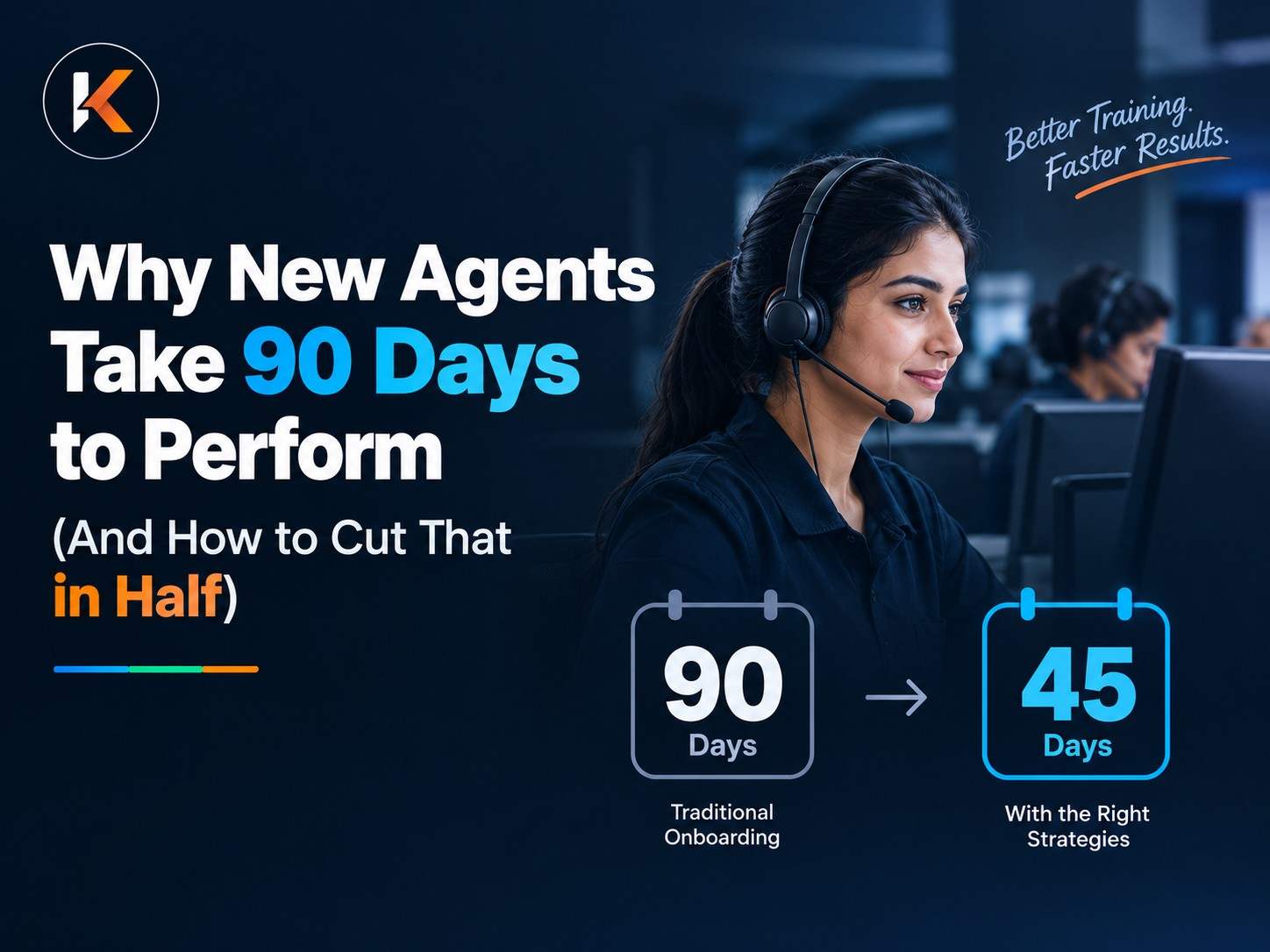
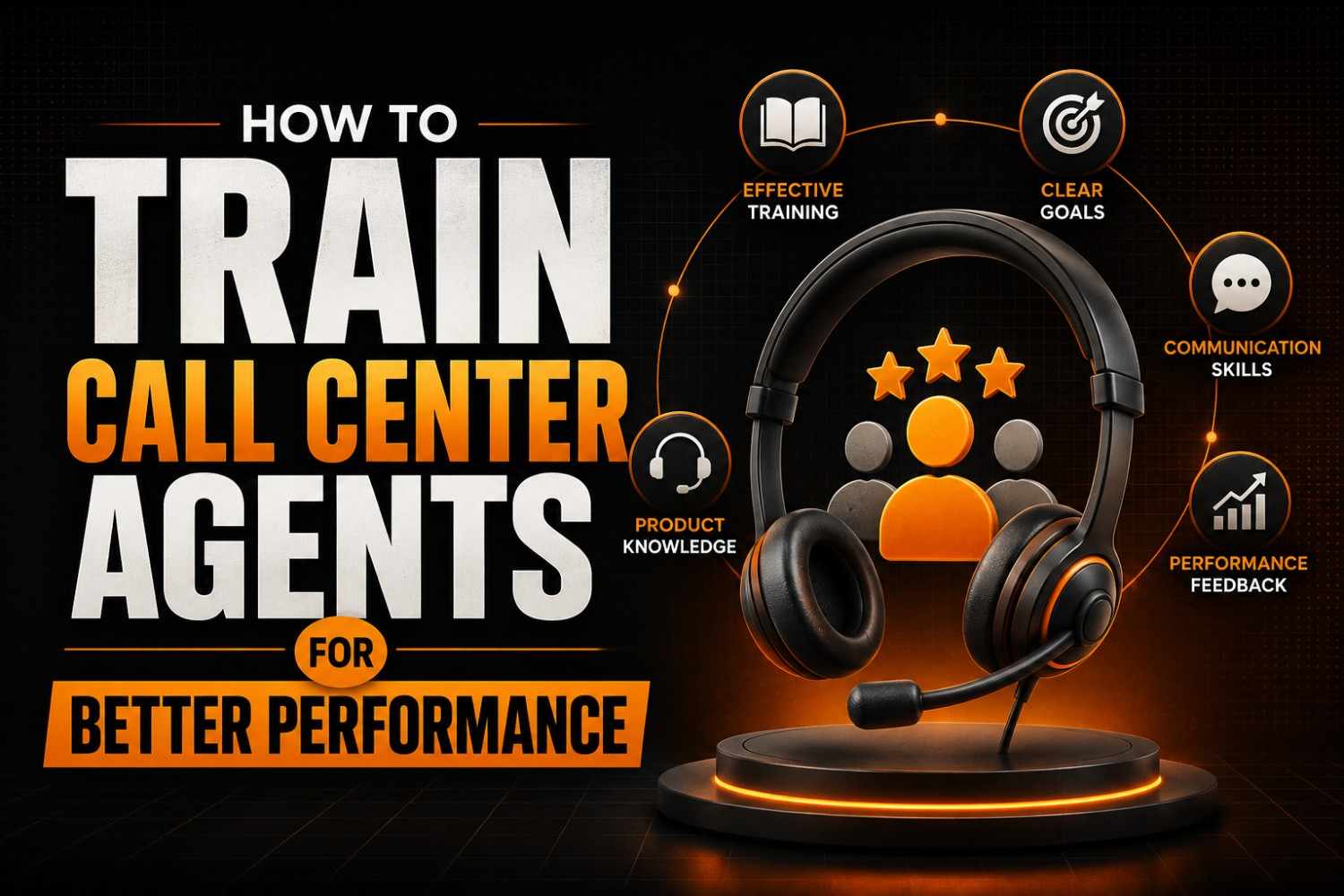
How to Train Your Outbound Team on These Scripts
Having great scripts is half the battle. The other half is training your reps to use them naturally, not robotically.
1. Role-play every single week. Pair reps up and have them run through scripts with realistic objections. The first few role-plays will be awkward. That is fine. Awkward in training means smooth on live calls.
2. Record and review calls. Tools like Gong, Chorus, or even basic call recording software let you listen to real calls and identify exactly where prospects disengage, which objections are coming up most often, and where reps are going off-script in ways that hurt them.
3. Create an objection library. Gather the top 10 objections your team hears and build scripted responses for each. Review and update this library quarterly as market conditions change.
4. Let reps personalize within the framework. Scripts are guardrails, not cages. Encourage reps to bring their own personality into the delivery while sticking to the structural framework. A script delivered authentically always outperforms a perfect script delivered mechanically.
5. Measure the right metrics. Track connect rate, conversation rate (connects that turn into actual conversations), and meeting set rate separately. This tells you exactly where in the script the drop-off is happening — is it the opener? The value hook? The close? Each metric points to a different fix.
Common Objections and How to Handle Them
No script guide is complete without objection handling. Here are the five most common objections in outbound calling and the responses that work.
"I'm not interested." "Totally fair — I appreciate the honesty. Can I ask, is it that [specific solution] is not a priority right now, or is it more that you haven't seen something compelling enough yet? I ask because most people I talk to who say that initially end up having a really good conversation once they hear [specific outcome]. Either answer is fine."
"Just send me an email." "Absolutely, I'll do that right after this call. I just want to make sure what I send is actually relevant to you — would it be okay if I ask two quick questions so I don't waste your inbox with something generic?"
"We already have a vendor for this." "That makes sense — most companies do. I'm not trying to replace what's working. The question I always ask is: are you getting [specific outcome] from your current setup? Because that's the one thing we consistently hear companies wish they had more of. Is that something you are fully satisfied with?"
"I don't have time right now." "Completely understand. When would be a better time — would [specific time] tomorrow or the day after work better for you?"
"We don't have the budget." "Appreciate you being upfront about that. Can I ask — is it a matter of no budget allocated at all, or more that the ROI case hasn't been made yet to justify moving it forward? Because if it is the latter, that's something we can actually help you build internally."
Final Thoughts
Outbound calling works. It works in 2025 just as it worked before — but the bar has gotten higher. Prospects are busier, more skeptical, and better at detecting a generic pitch from a mile away.
The scripts in this guide are not magic words. They are the result of years of testing, real call data, and understanding what actually moves people. The teams that win with outbound calling are the ones who combine a strong script framework with genuine research, persistent follow-up, and a willingness to keep improving based on what the data shows.
Start with one or two scripts. Drill them with your team. Measure the results. Then iterate.
The best outbound calling team is not the one with the most dials — it is the one with the sharpest message, the most confident reps, and the discipline to keep refining until the numbers move.
Ready to Level Up Your Outbound Calling Results?
If your team is making hundreds of calls a week but not seeing the meetings and pipeline you need, the script is usually the first thing to fix — but it is rarely the only thing.
We help outbound sales teams go from inconsistent results to predictable pipeline through script optimization, rep training frameworks, and call analytics that show you exactly where deals are being lost.
Book a free 20-minute strategy call today and walk away with a customized script review for your team, the top 3 objection gaps we find in most outbound teams, and a clear action plan to improve your connect-to-meeting rate within 30 days.
No pitch. No pressure. Just a focused conversation about what is and is not working in your outbound motion right now.
[Book Your Free Strategy Call]