Introduction: The Phone System Decision That's Costing Businesses Millions
Every growing business eventually hits the same wall: your phone system can't keep up. Calls drop during peak hours, remote agents can't log in from home, and your IT budget keeps bleeding into maintenance contracts for hardware that's already outdated.
This is the moment businesses face a critical choice — stick with the traditional phone system (PBX) that's always worked, or migrate to cloud calling that promises flexibility, scale, and lower costs.
This isn't a small decision. It affects your customer experience, your agent productivity, your monthly overhead, and your ability to scale. In this guide, we break down exactly how cloud calling and traditional phone systems differ — across cost, scalability, features, security, and real-world performance — so you can make the right call for your business.
What Is a Traditional Phone System?
A traditional phone system, commonly known as a PBX (Private Branch Exchange), relies on physical hardware installed on-site. It uses copper wiring, telephone lines, and dedicated servers to route calls within an organization.
Core characteristics:
- Physical infrastructure housed on your premises
- Calls routed through landlines (PSTN — Public Switched Telephone Network)
- Requires dedicated IT staff for maintenance and upgrades
- Fixed number of phone lines tied to physical extensions
- Scaling means buying and installing new hardware
Traditional systems were the gold standard for decades because they were reliable and secure — but they were built for a world where teams worked from one office, on one network, using one set of desk phones.
What Is Cloud Calling?
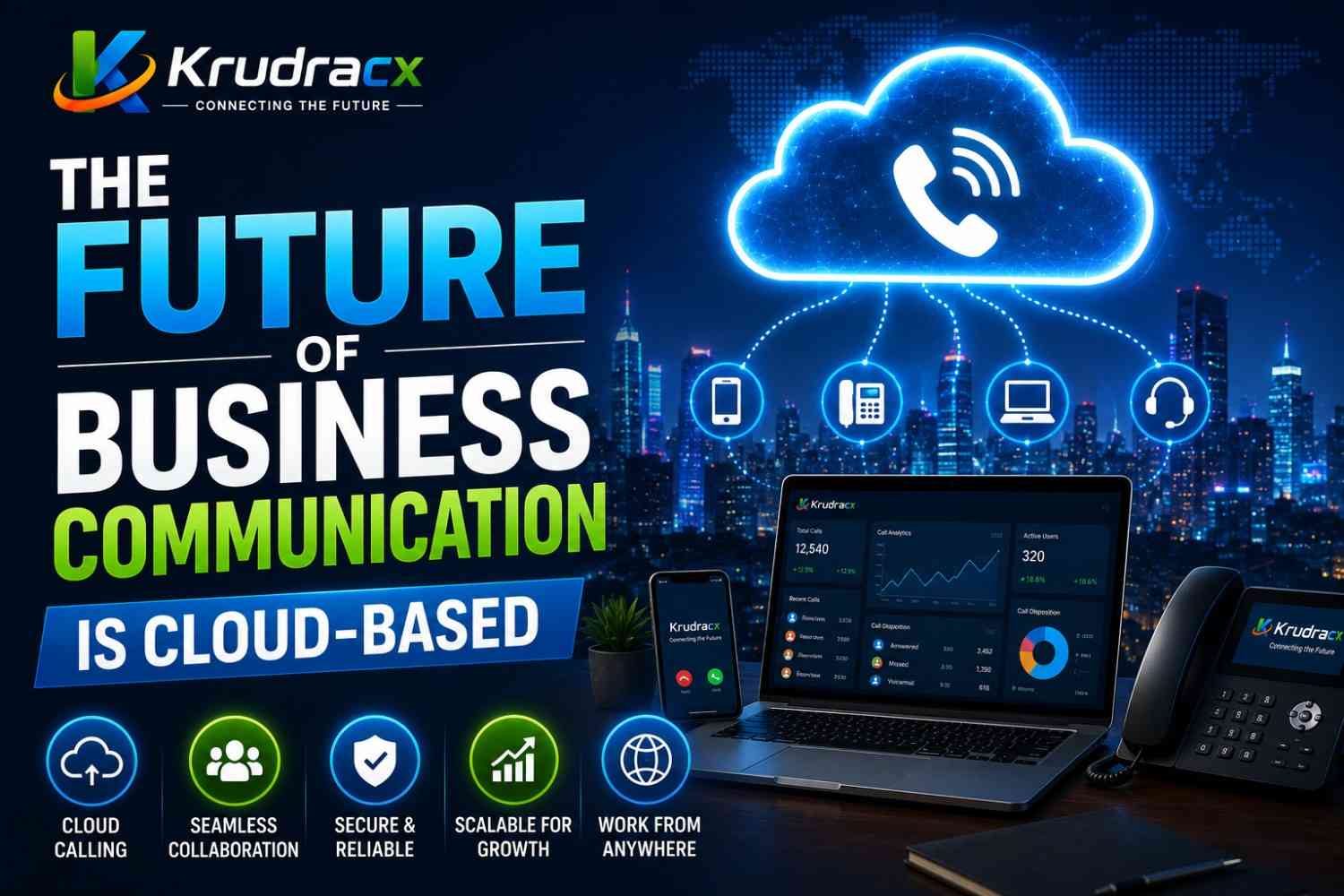
Cloud calling (also called VoIP or cloud-based contact center software) routes calls over the internet instead of physical phone lines. There's no bulky hardware — your entire calling infrastructure lives on secure cloud servers, managed by your provider.
Core characteristics:
- No physical hardware or wiring required
- Calls made via internet (VoIP) from anywhere, on any device
- Instant scalability — add or remove lines in minutes
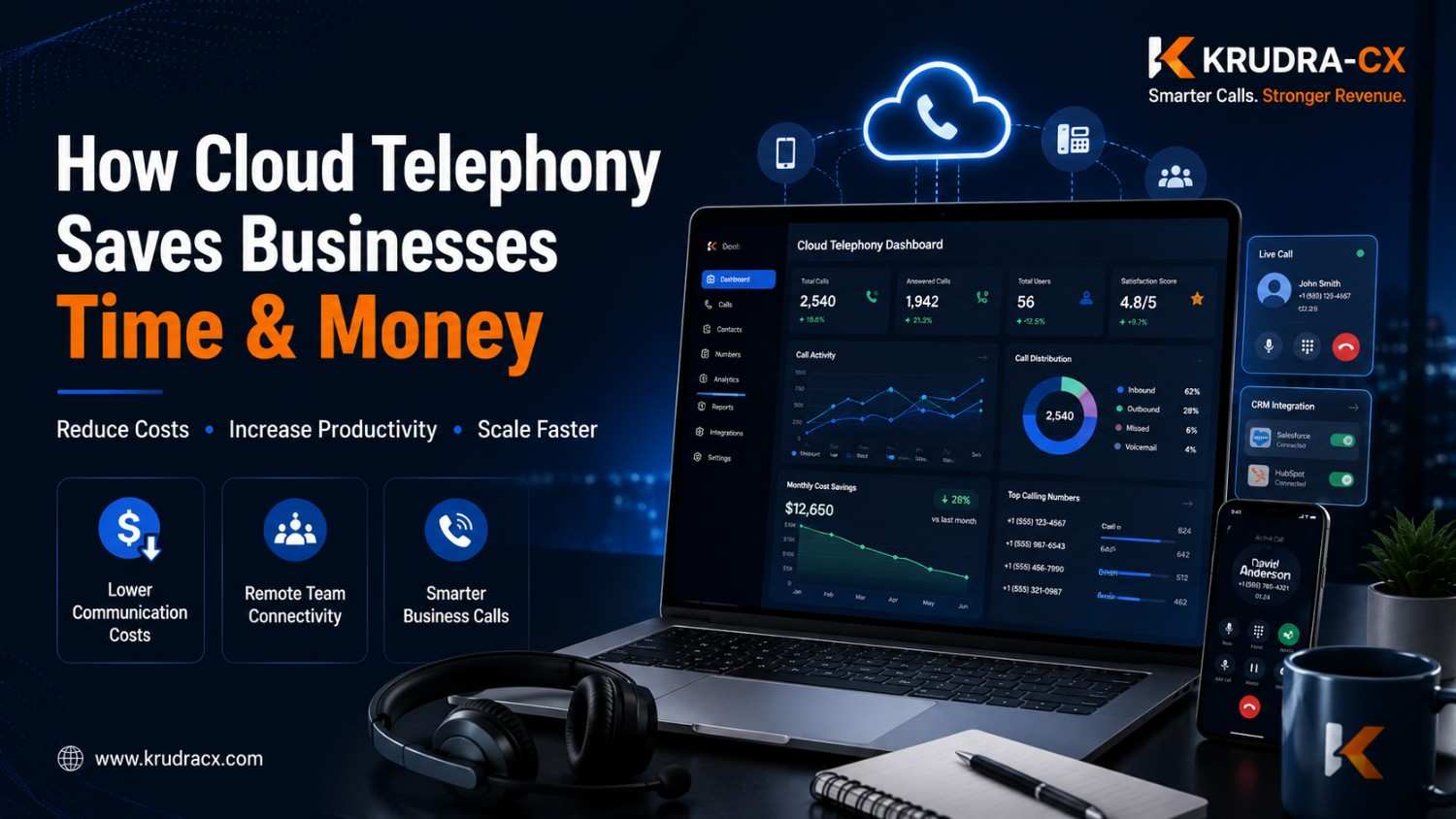
- Centralized dashboard for call monitoring, analytics, and CRM integration
- Automatic updates and maintenance handled by the provider
Platforms like KrudraCX are built specifically around this model — enabling distributed teams, remote agents, and growing sales/support operations to run a full contact center without a single physical PBX box.
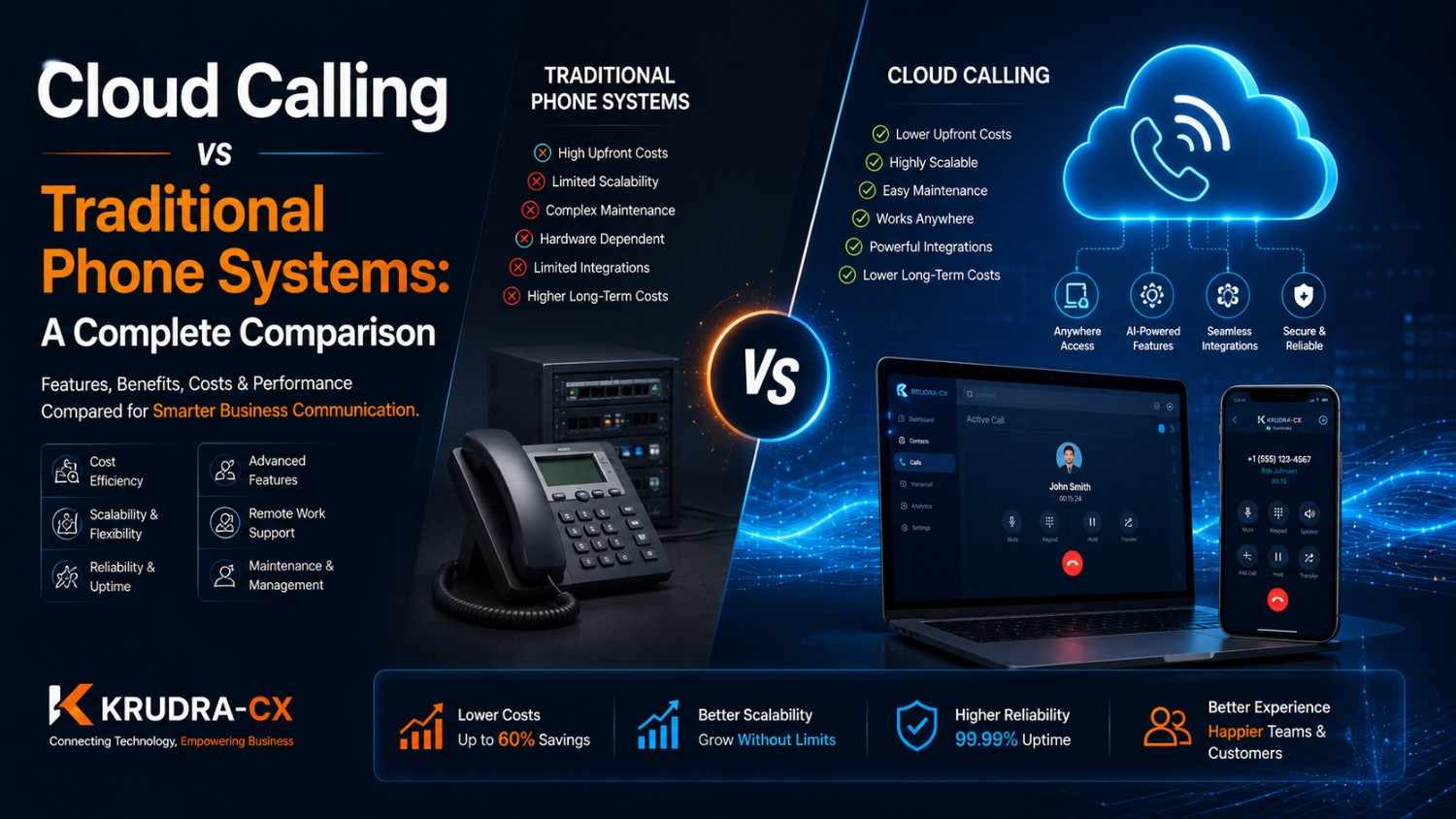
Cloud Calling vs Traditional Phone Systems: The Complete Comparison
1. Setup Time and Installation
Traditional Phone Systems: Setting up a PBX system can take weeks. It involves physical wiring, hardware procurement, technician visits, and testing. Any office expansion means repeating this entire process.
Cloud Calling: Setup takes hours, not weeks. Sign up, assign numbers, onboard agents, and you're live. There's no cabling, no hardware delivery delays, and no dependency on a technician's schedule.
Winner: Cloud Calling — dramatically faster time-to-value.
2. Cost Structure
Traditional Phone Systems come with heavy upfront capital expenditure:
- PBX hardware: $5,000–$50,000+ depending on scale
- Installation and wiring costs
- Ongoing maintenance contracts
- Per-line and long-distance call charges
- Hardware replacement every 5–7 years
Cloud Calling operates on a predictable subscription model:
- Low or no upfront hardware cost
- Per-agent or per-user monthly pricing
- Bundled features (IVR, call recording, analytics) with no separate purchase
- No maintenance contracts — the provider handles upgrades
For a 20-agent team, traditional systems can cost 3–5x more in the first two years alone once you factor in hardware, installation, and long-distance charges.
Winner: Cloud Calling — lower total cost of ownership, especially for growing teams.
3. Scalability
Traditional Phone Systems are physically capped. Adding new lines means buying more hardware, running more cable, and scheduling more installation visits. Scaling down (e.g., after a seasonal spike) is even harder — you're stuck paying for unused capacity.
Cloud Calling scales in real time. Need 10 more agents for a product launch? Add them from a dashboard in minutes. Scaling down is just as easy — no wasted hardware, no sunk cost.
Winner: Cloud Calling — built for businesses that grow, shrink, or pivot fast.
4. Remote and Hybrid Work Support
Traditional Phone Systems are tied to physical desk phones and office networks. Remote work essentially breaks the system — agents can't take calls from home without expensive forwarding workarounds that degrade call quality and reporting accuracy.
Cloud Calling was built for this. Agents can log into the platform from a laptop, tablet, or mobile device — anywhere with internet. Managers still get full visibility through centralized dashboards, regardless of where agents are physically located.
Winner: Cloud Calling — this is arguably the single biggest reason businesses migrate.
5. Features and Integrations
Traditional Phone Systems typically offer basic calling, voicemail, and call forwarding. Advanced features like call analytics, CRM integration, or AI-powered routing usually require costly add-ons or aren't available at all.
Cloud Calling platforms come feature-rich out of the box:
- Predictive and auto dialers
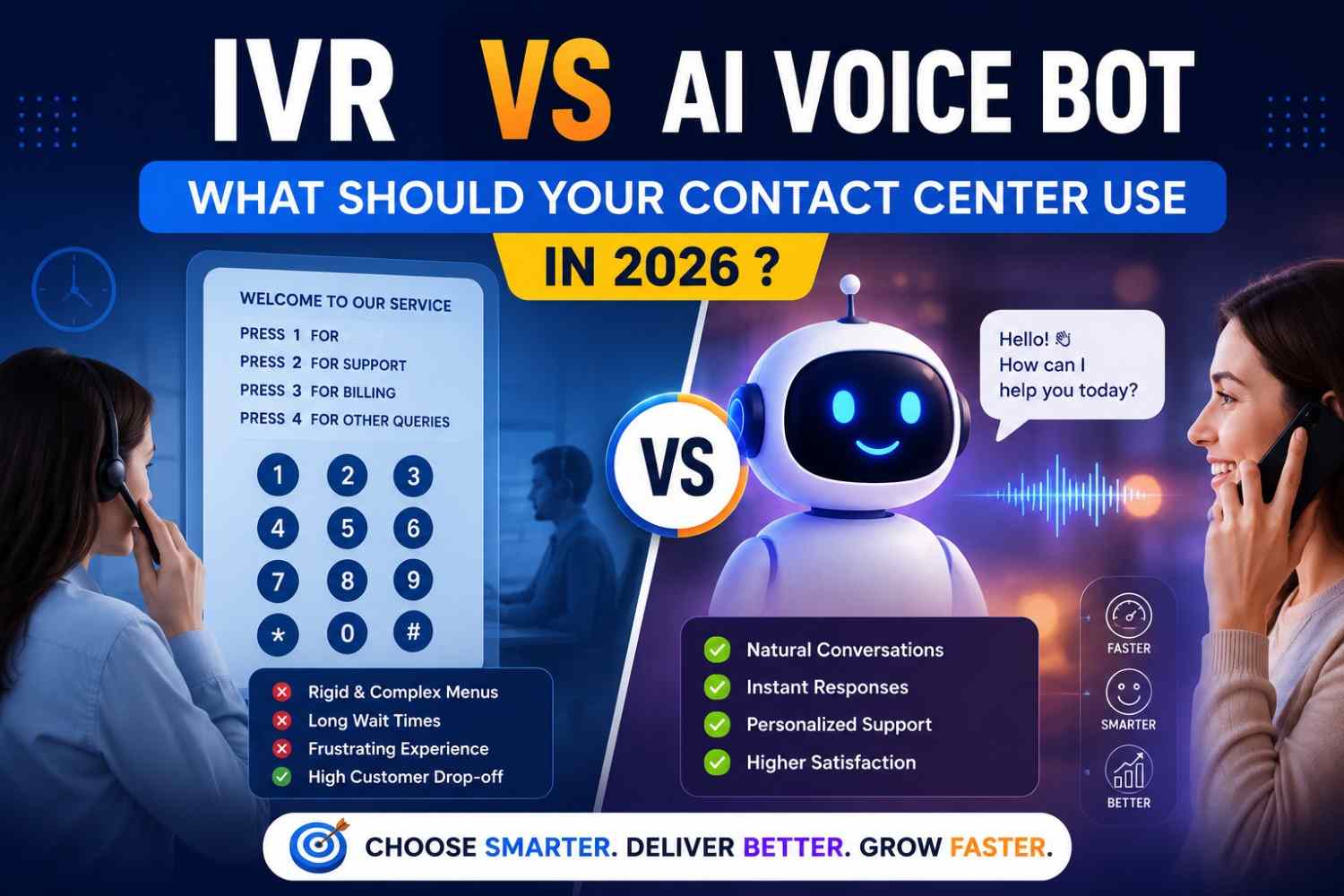
- IVR (Interactive Voice Response) and smart call routing
- Real-time analytics and call recording
- Native CRM integrations (Salesforce, HubSpot, Zoho, etc.)
- Call whisper, barge, and live coaching tools for managers
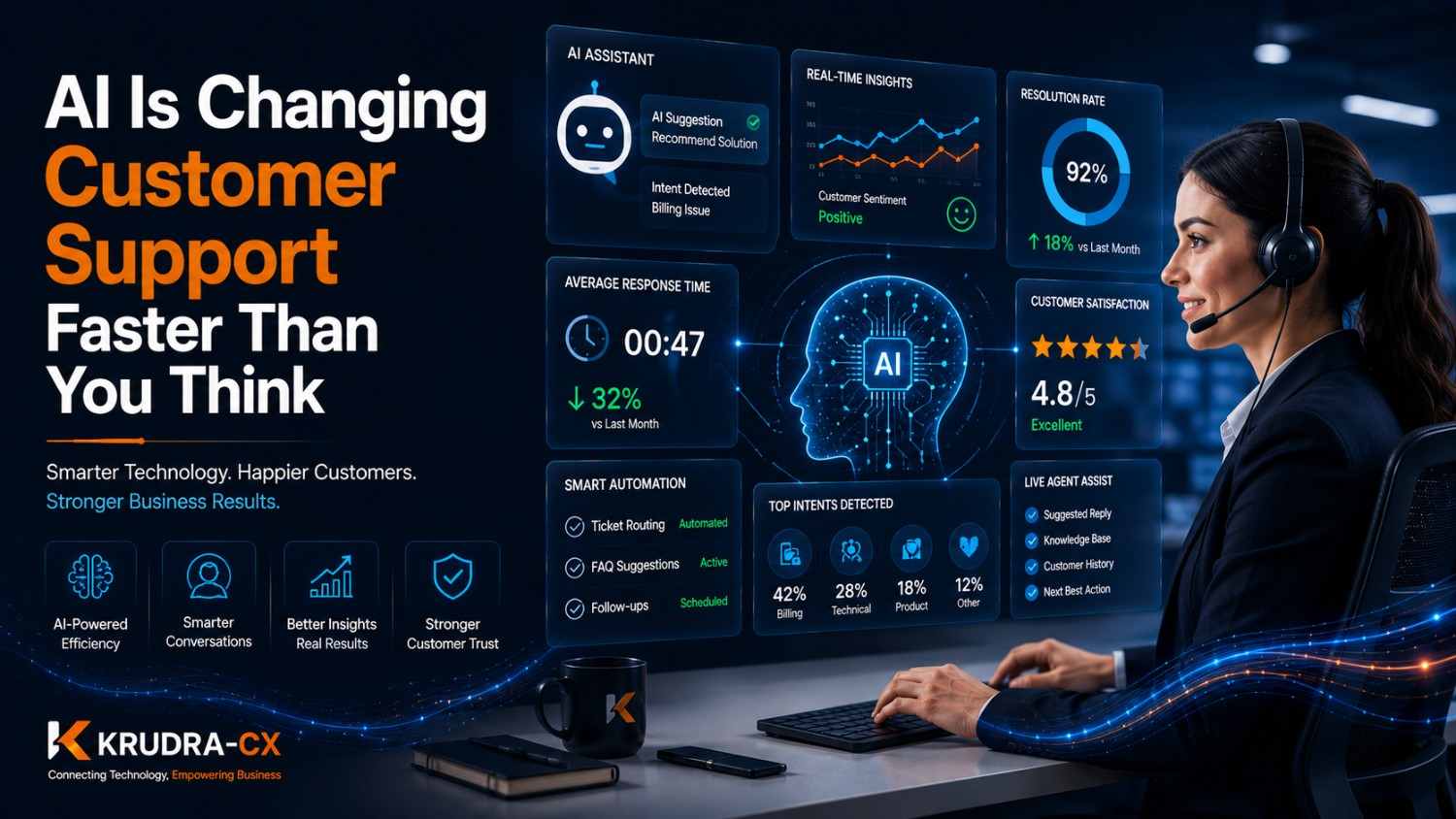
- AI-powered sentiment analysis and call scoring
Winner: Cloud Calling — traditional systems simply can't match this feature depth without significant added cost.
6. Reliability and Uptime
Traditional Phone Systems are often considered more reliable because they don't depend on internet connectivity — a valid point in areas with unstable internet. However, they're vulnerable to physical damage, power outages, and hardware failure, with repairs sometimes taking days.
Cloud Calling depends on internet stability, but modern providers offer redundant servers, 99.9%+ uptime SLAs, and automatic failover — meaning if one server goes down, calls reroute instantly without disruption. For businesses with a stable internet connection, cloud systems are now equally or more reliable.
Winner: Tie, leaning Cloud — depends on your internet infrastructure, but modern cloud redundancy has closed the reliability gap.
7. Security
Traditional Phone Systems are physically isolated, which some businesses find inherently more secure since data doesn't travel over the internet.
Cloud Calling platforms now offer enterprise-grade security: end-to-end encryption, secure data centers, compliance certifications (ISO 27001, GDPR, HIPAA where applicable), and regular security audits — often exceeding what a small business could implement on-premise.
Winner: Cloud Calling — for most businesses, cloud providers invest more in security than an in-house team ever could.
8. Maintenance and IT Overhead
Traditional Phone Systems need dedicated IT staff or vendor contracts for troubleshooting, updates, and repairs — an ongoing cost that scales with system complexity.
Cloud Calling shifts this burden entirely to the provider. Updates roll out automatically, bugs are fixed server-side, and your internal team never touches hardware.
Winner: Cloud Calling — near-zero IT overhead.
Side-by-Side Summary
| Factor | Traditional Phone System | Cloud Calling |
|---|---|---|
| Setup Time | Weeks | Hours |
| Upfront Cost | High ($5K–$50K+) | Low to none |
| Scalability | Manual, slow | Instant, flexible |
| Remote Work | Poor | Excellent |
| Features | Basic | Advanced, AI-powered |
| Maintenance | In-house/vendor-dependent | Provider-managed |
| Security | Physically isolated | Enterprise-grade, encrypted |
| Best For | Static, single-location teams | Growing, distributed, sales-driven teams |
Who Should Still Consider Traditional Phone Systems?
To be fair, traditional systems aren't extinct. They can still make sense for:
- Businesses in areas with highly unreliable internet
- Organizations with strict regulatory requirements mandating on-premise infrastructure
- Very small, single-location teams with no growth plans and no remote work needs
For everyone else — especially sales teams, support centers, and growing B2B companies — cloud calling is now the default, not the exception.
Why Businesses Are Migrating to Cloud Calling in 2026
The shift isn't just about cost. It's about what cloud calling enables that traditional systems structurally cannot:
- Faster lead response times through auto dialers and smart routing
- Real-time visibility into agent performance and call outcomes
- Seamless remote/hybrid workforce management
- Data-driven coaching using call recordings and analytics
- Instant scaling during seasonal campaigns or hiring sprints
This is precisely why modern contact center platforms like KrudraCX are built cloud-first — combining dialer technology, CRM integration, and real-time analytics into one system, without the hardware burden of legacy PBX.
Final Verdict
If your business values speed, scalability, remote flexibility, and advanced features — cloud calling isn't just the better option, it's the only future-proof one. Traditional phone systems served their purpose for decades, but they were never built for how modern, distributed, sales-driven teams operate.
The businesses winning in 2026 aren't the ones with the fanciest hardware — they're the ones with the most agile, connected, and intelligent calling infrastructure.
Ready to Make the Switch?
Stop losing leads to dropped calls, limited scalability, and outdated systems. KrudraCX gives your team a cloud-based contact center built for speed, growth, and real results — with predictive dialers, live analytics, and CRM integration, all in one platform.
Book a free demo with KrudraCX today and see what a modern calling system can do for your revenue.