
Introduction
Contact centers have changed more in the last five years than in the previous twenty. What used to be a room full of agents dialing numbers off a spreadsheet is now a connected system of AI-assisted routing, predictive dialers, omnichannel communication, and real-time analytics. Customers expect faster resolutions, personalized service, and zero repetition — no matter which channel they use to reach out.
For businesses still running on outdated systems, this shift isn't optional anymore. It's the difference between scaling efficiently and losing customers to competitors who respond faster and smarter. This guide breaks down what a modern contact center actually looks like, the technology powering it, and how to build one that drives real business results.
What Is a Modern Contact Center?
A modern contact center is no longer just a place where agents make and receive calls. It's a centralized hub that integrates voice, email, chat, social media, and SMS into a single platform — backed by automation, AI, and data intelligence.
The goal isn't just "handling volume" anymore. It's about:
- Reducing customer effort
- Increasing first-call resolution
- Personalizing every interaction using CRM data
- Giving agents the tools to work faster, not harder
- Turning call data into actionable business insights
This is where the line between a "call center" and a "contact center" gets clear. A call center handles calls. A contact center handles relationships — across every channel a customer might use.
Core Technologies Powering Modern Contact Centers
1. Auto Dialers and Predictive Dialers
Manual dialing wastes agent time on busy signals, voicemails, and disconnected numbers. Auto dialers eliminate this by automatically placing calls from a list, connecting agents only when a call is answered.
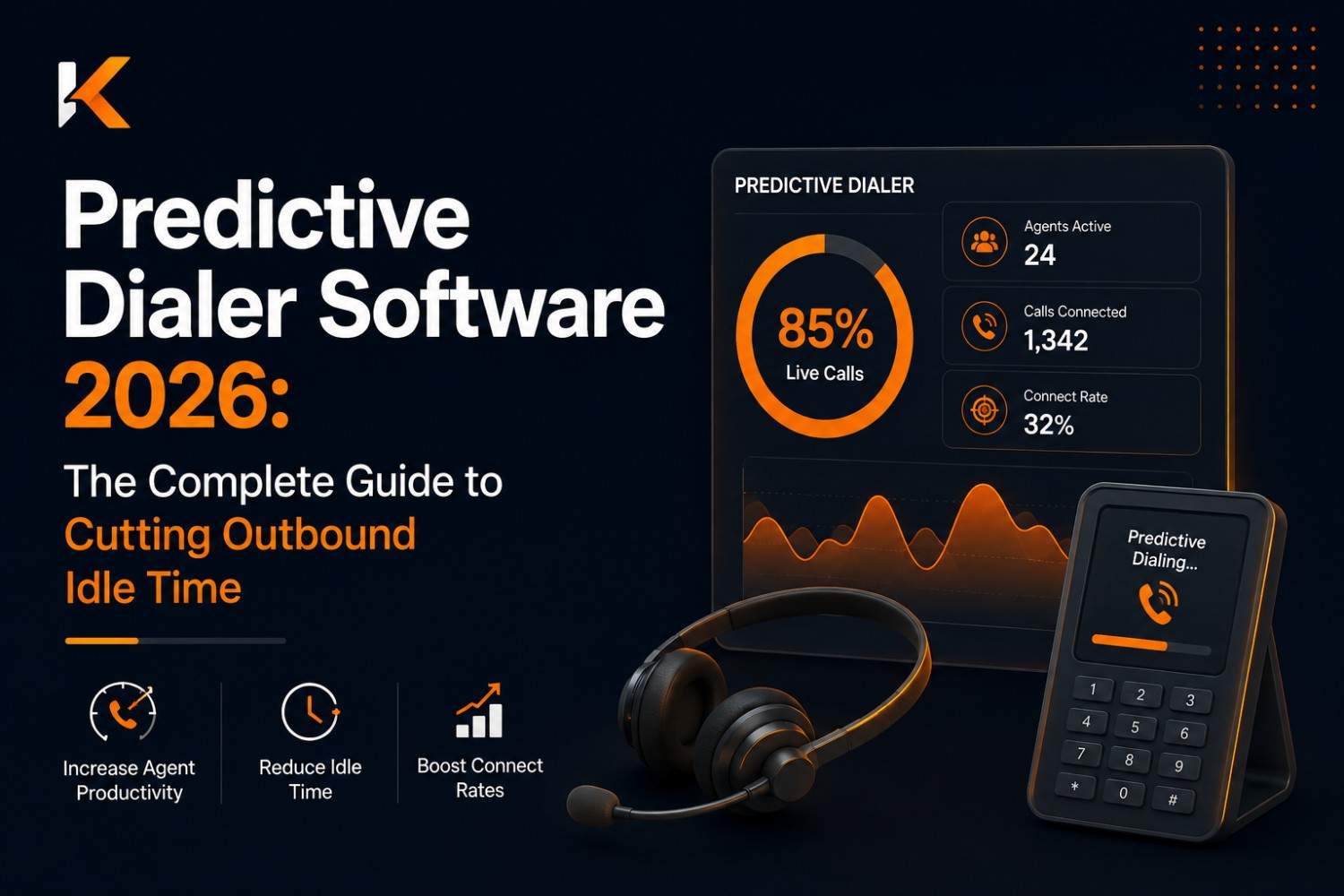
Predictive dialers take this further by using algorithms to predict agent availability and call answer rates, dialing multiple numbers simultaneously to keep agents constantly engaged. The result: significantly higher talk time and lower idle time per agent.
For outbound-heavy teams — sales, collections, surveys — this single upgrade often produces the fastest ROI of any contact center investment.
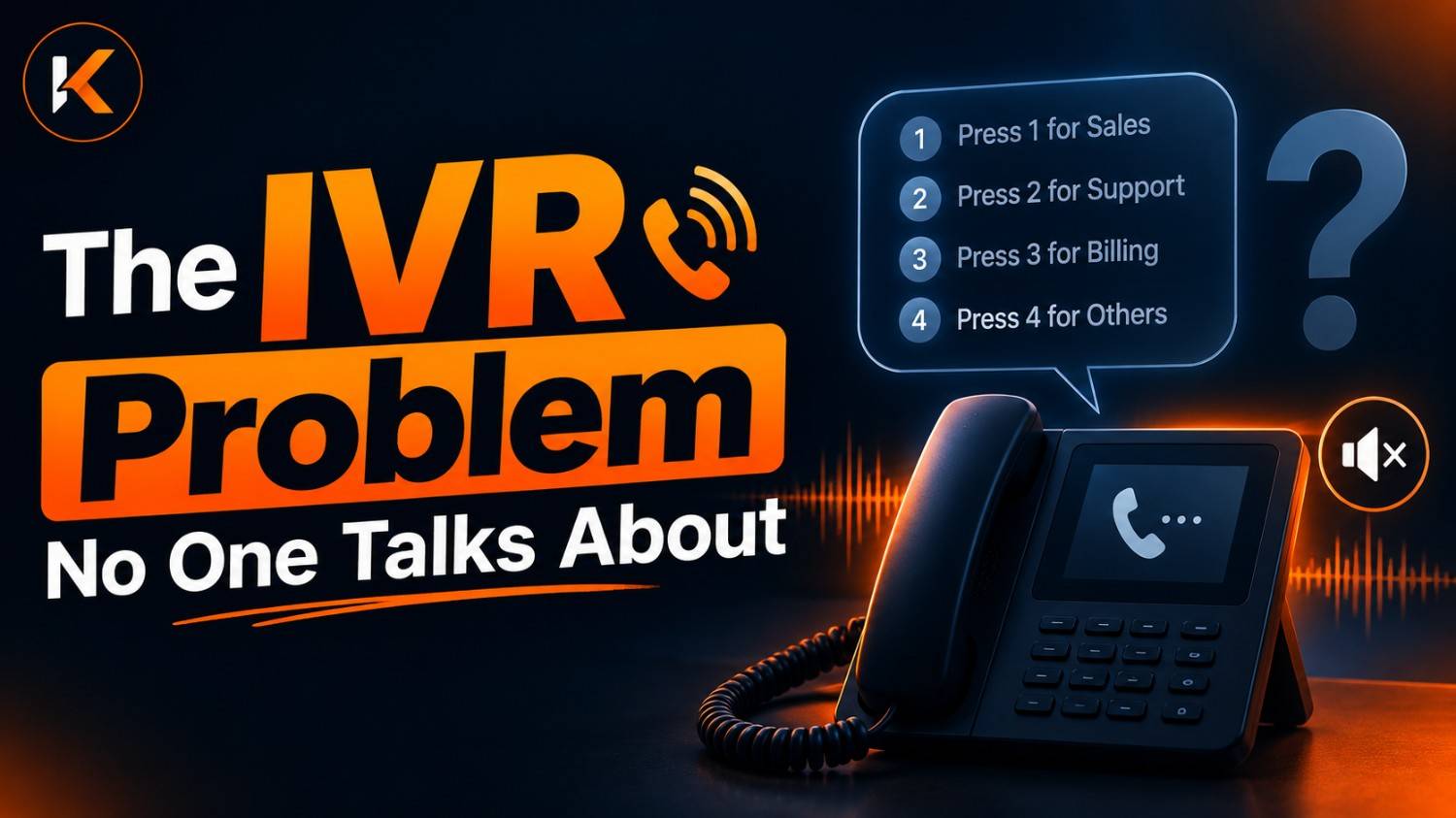
2. IVR (Interactive Voice Response) Systems
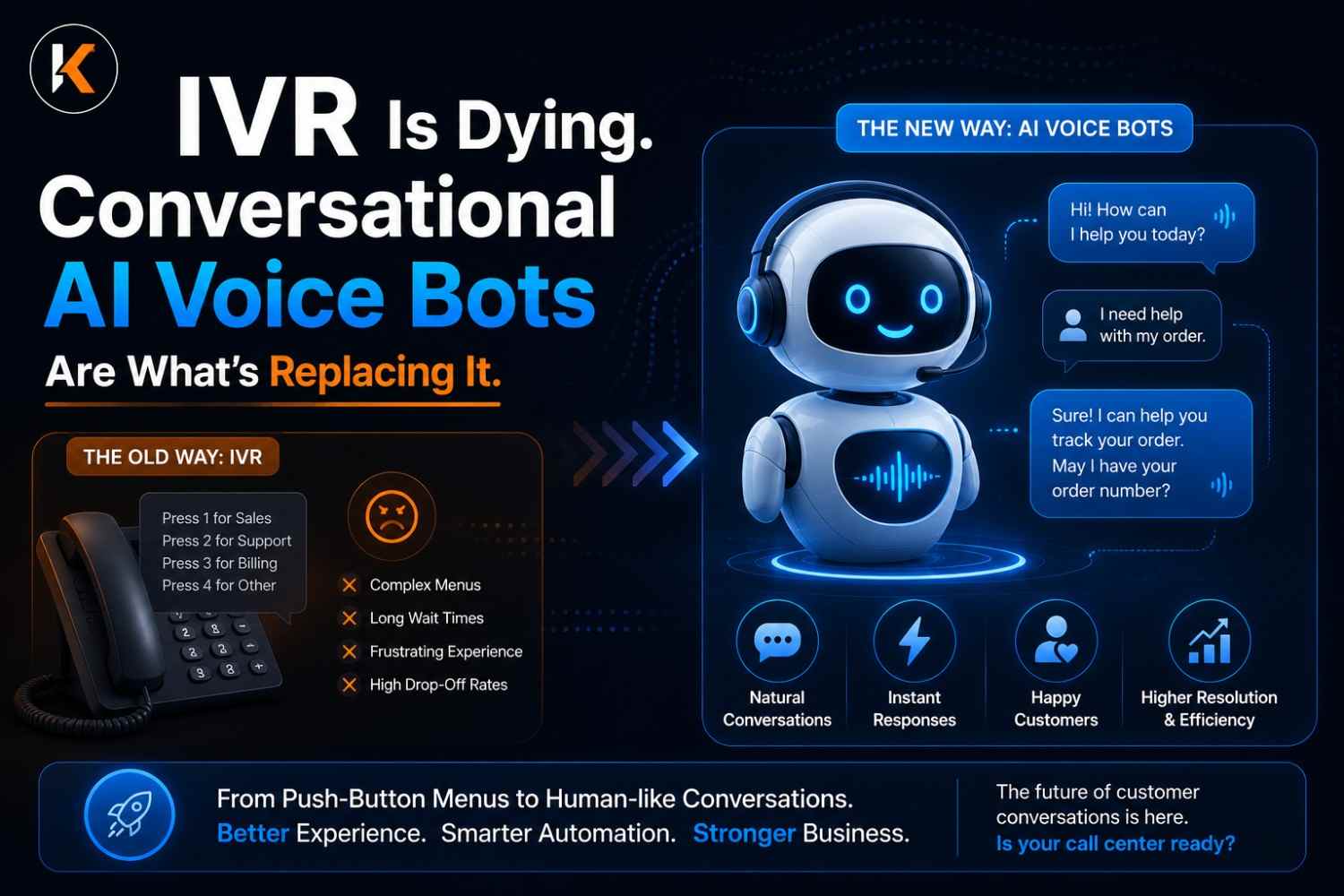
IVR systems let callers self-navigate through menu options before ever reaching an agent — checking balances, tracking orders, or routing themselves to the right department. A well-designed IVR reduces call volume on live agents, cuts average handling time, and gives customers instant answers for routine queries.
The key word is "well-designed." A confusing IVR tree frustrates callers and increases drop-offs. Modern IVR systems use conversational, shorter menus and smart routing based on caller history and intent.
3. Inbound and Outbound Call Management
Modern platforms don't treat inbound and outbound as separate systems. Unified call management means an agent handling an inbound support call can pull up that same customer's outbound sales history instantly — no toggling between tools, no repeated questions.
This unification is what actually creates the "the company knows me" feeling customers expect today.
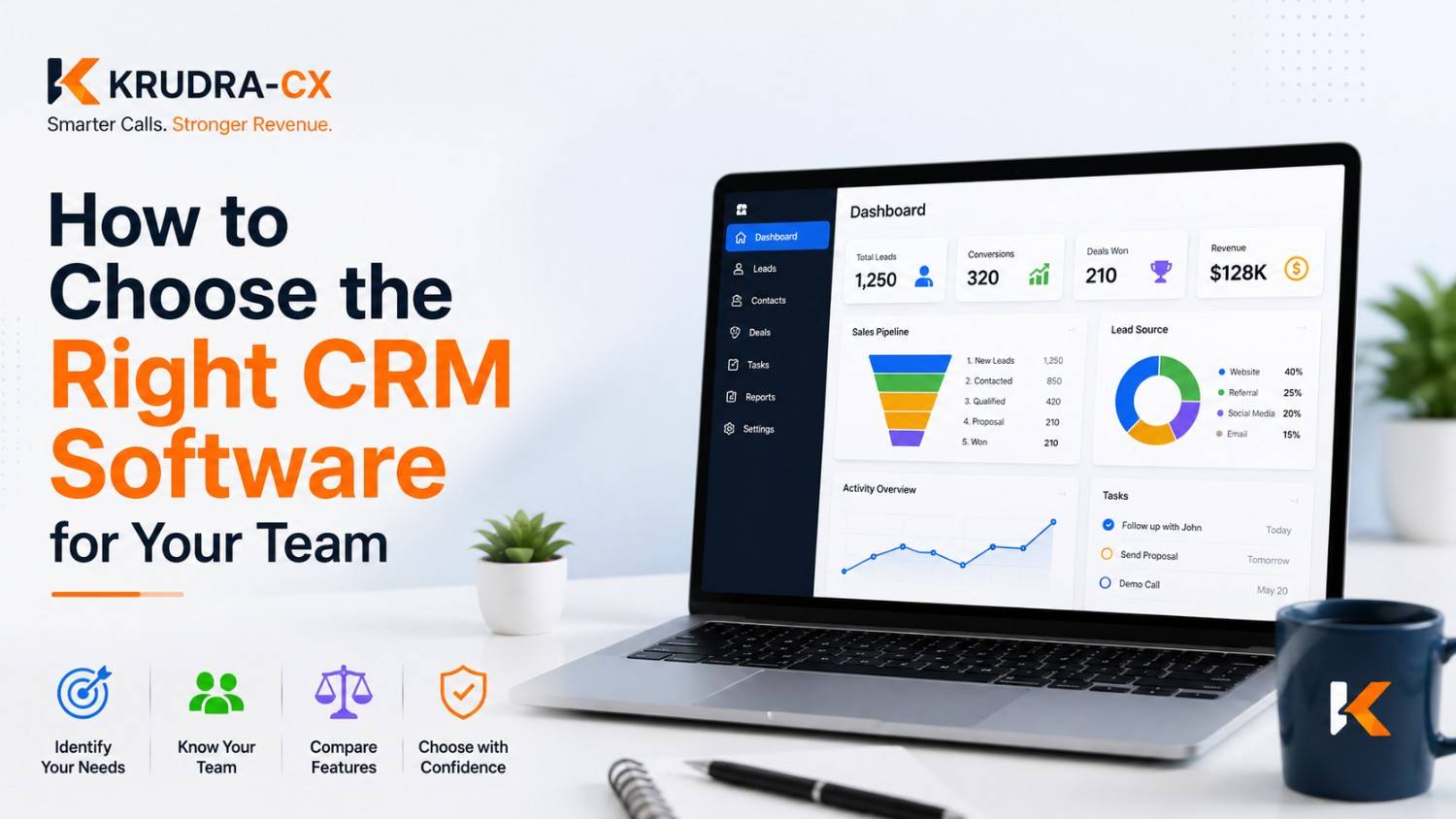
4. CRM Integration
A contact center without CRM integration is flying blind. When call data, customer history, and communication logs live inside a connected CRM, agents get full context before they even say hello. This reduces handling time, improves personalization, and eliminates the "please repeat your issue" frustration that drives customers away.
CRM integration also gives managers the reporting layer they need — conversion rates, agent performance, customer lifetime value — all tied back to actual conversations.
5. Omnichannel Communication
Customers don't think in channels. They think in conversations. Someone might start on WhatsApp, follow up by email, and finish on a phone call — and they expect the agent to know the full history regardless of the channel switch.
Omnichannel contact center software stitches these interactions into one thread, so nothing gets lost and no customer has to repeat themselves.
6. Real-Time Analytics and Reporting
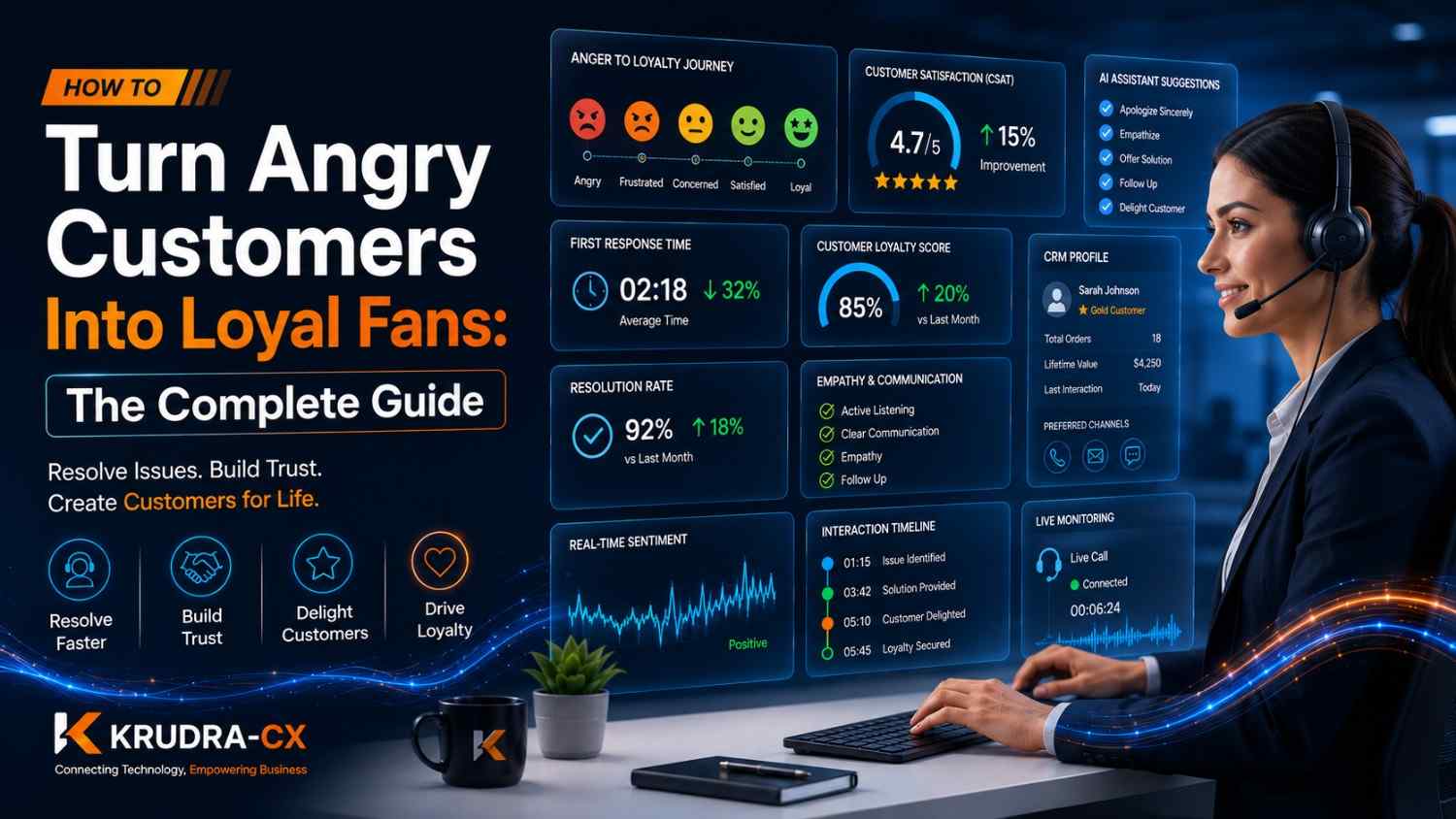
You can't improve what you don't measure. Modern contact centers run on live dashboards tracking call volume, agent occupancy, average handling time, conversion rates, and customer satisfaction scores. This isn't just for managers reviewing weekly reports — real-time data lets supervisors intervene during a shift, redistribute calls, and catch problems before they scale.
Why Agent Productivity Is the Real Differentiator
Technology is only as good as the people using it. The biggest gains in modern contact centers don't come from adding more tools — they come from removing friction for agents.
That means:
- Fewer clicks to access customer information
- Automated call logging instead of manual entry
- Scripts and prompts that adapt based on customer data
- Clear performance dashboards agents can actually use
- Reduced hold time between calls through smart dialing
When agents spend less time on admin work and more time on actual conversations, both productivity and customer experience improve together — not at each other's expense.
Common Mistakes Businesses Make When Modernizing
Buying tools without a strategy. Adding an auto dialer or CRM without a plan for how they connect just creates more disconnected systems, not fewer.
Ignoring agent training during transitions. New software with untrained agents leads to slower service, not faster — at least in the critical first weeks.
Over-automating customer interactions. IVR and chatbots are useful for routine queries, but customers still want a fast path to a human for complex issues. Trapping callers in automation loops backfires badly.
Not tracking the right metrics. Call volume alone doesn't tell you if customers are actually satisfied. First-call resolution, average handling time, and customer effort score matter more.
How to Choose the Right Contact Center Software
When evaluating a platform, prioritize:
- Scalability — can it grow with your team without a full system overhaul?
- Integration — does it connect cleanly with your existing CRM and tools?
- Ease of use — will agents actually adopt it, or fight it?
- Analytics depth — can you actually act on the data it gives you?
- Support and reliability — uptime and vendor responsiveness matter more than any feature list.
The best contact center software isn't the one with the longest feature checklist — it's the one your team will actually use well, every single day.
Conclusion
Modern contact centers aren't defined by a single piece of technology — they're defined by how well voice, data, and automation work together to serve the customer and support the agent. Businesses that treat their contact center as a strategic system, not just a cost center, are the ones building lasting customer relationships and sustainable growth.
The tools exist. The question is whether your contact center is built to use them.
Your competitors are already answering faster, resolving quicker, and converting more — is your contact center built to keep up, or is it holding your team back?
Book a free demo with KrudraCX today and see how the right dialer, IVR, and CRM setup can transform your customer experience from day one.