Introduction
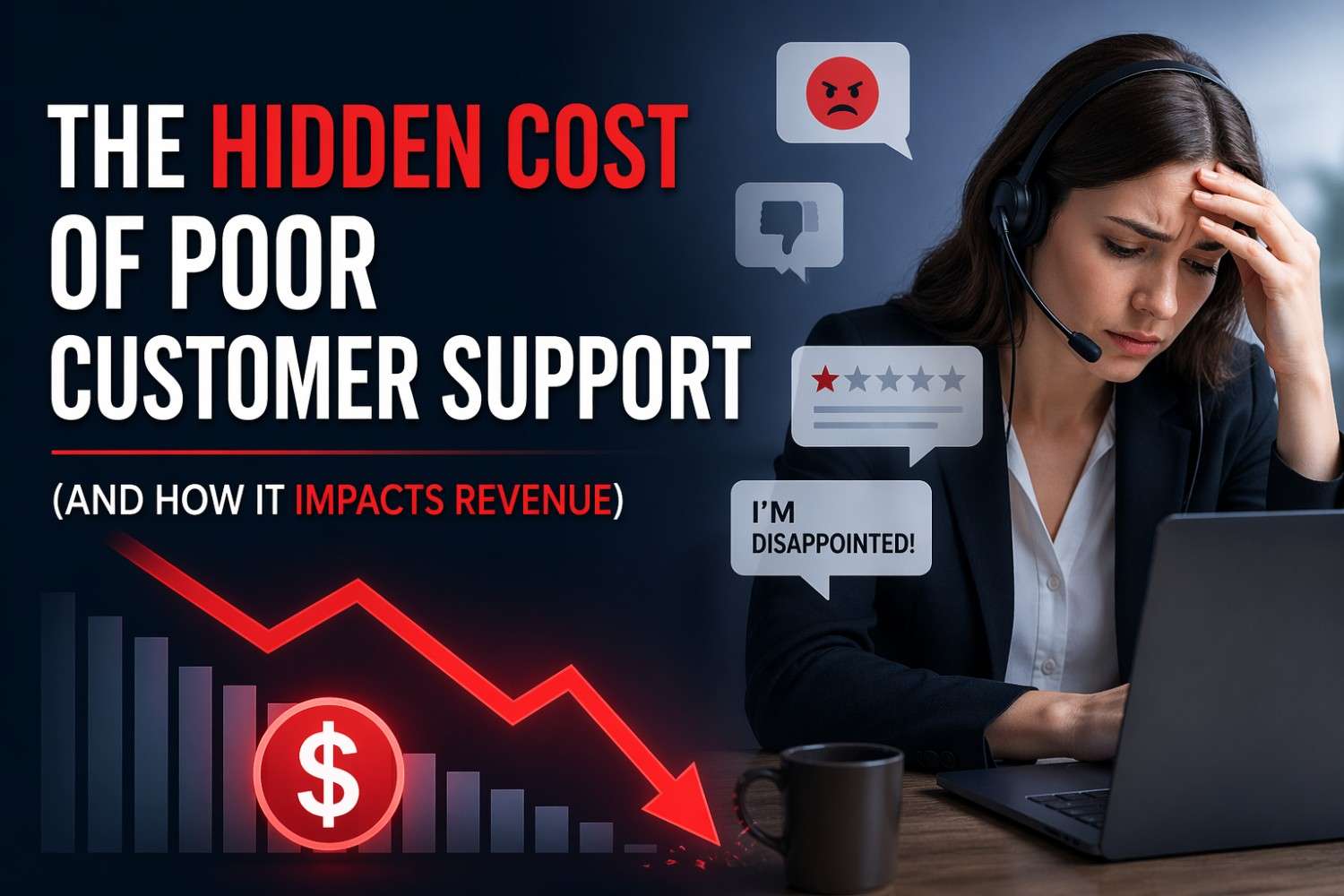
In today's hyper-competitive market, customer experience is everything. Studies show that over 60% of customers will switch to a competitor after just one bad service experience. Your call center sits right at the heart of that experience. It's where frustrations get resolved — or get worse. Yet many businesses unknowingly let their call centers push customers straight into the arms of competitors.
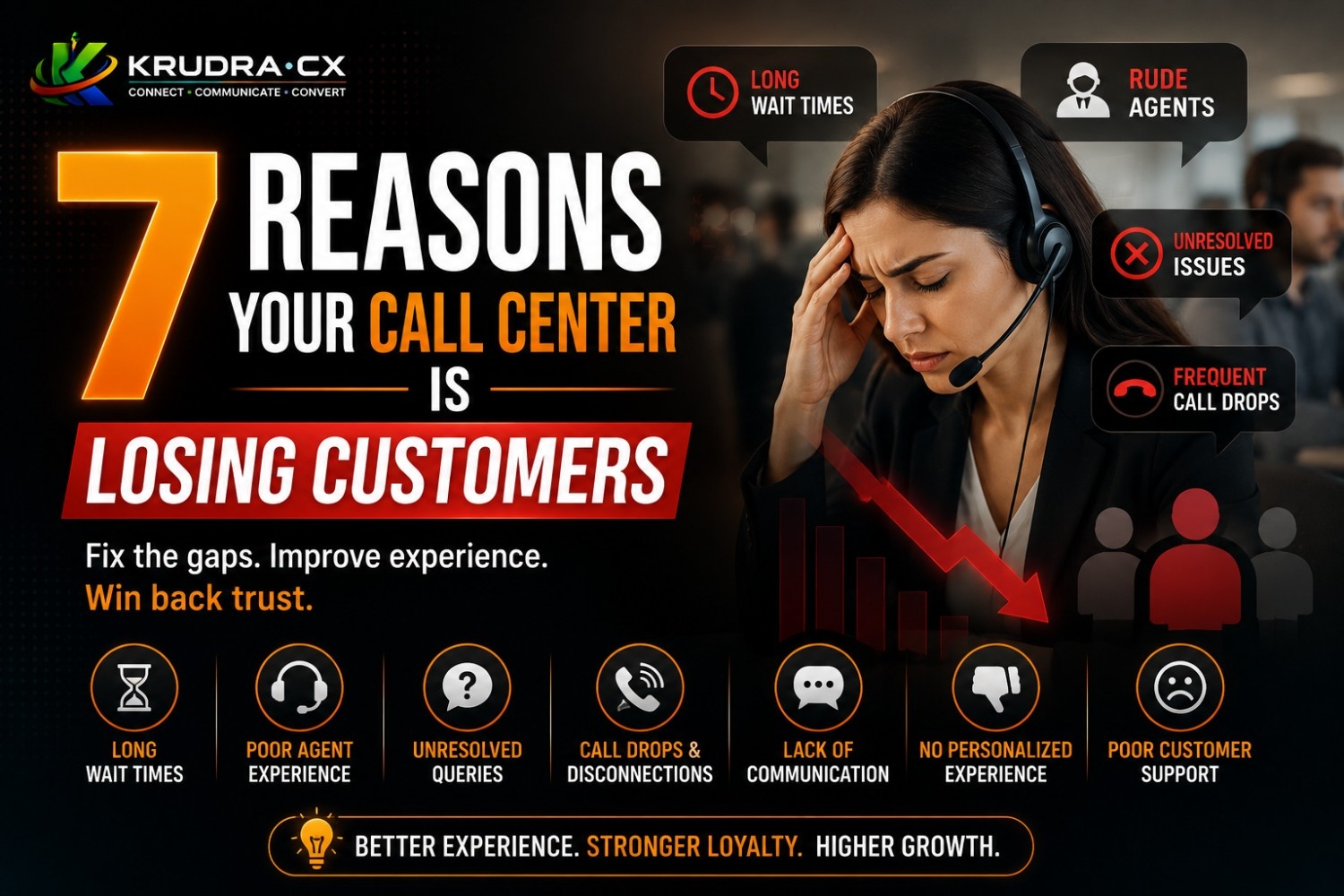
If your customer satisfaction scores are dropping, your repeat business is shrinking, or your churn rate is climbing, your call center might be the culprit. Let's break down the 7 most damaging reasons — and more importantly, how to fix each one.
1. Long Hold Times and Wait Queues
Nothing frustrates a customer faster than being put on hold indefinitely. When someone calls your support line, they are already dealing with a problem. Making them wait 10, 15, or 20 minutes on top of that sends one clear message: we don't value your time.
Why it happens:
- Understaffing during peak hours
- Poor call routing systems
- No callback options offered
How to fix it: Implement intelligent call routing to distribute calls evenly. Offer a callback feature so customers don't have to stay on hold. Analyze call volume data to staff correctly during busy periods. Even a simple recorded update like "Your estimated wait time is 4 minutes" reduces customer frustration significantly.
Key stat to know: Research shows that 60% of customers will hang up after being on hold for just one minute, and many never call back.
2. Poorly Trained or Unknowledgeable Agents
Your agents are the face — or rather, the voice — of your brand. When a customer calls with a problem and the agent fumbles, gives wrong information, or has to transfer the call three times, trust collapses instantly.
Why it happens:
- Rushed onboarding with insufficient product training
- No access to up-to-date knowledge bases
- Agents handling calls outside their area of expertise
How to fix it: Invest in regular, structured training programs — not just during onboarding but on an ongoing basis. Build a comprehensive, easy-to-search internal knowledge base that agents can access in real time. Use call monitoring and quality assurance reviews to identify knowledge gaps early and fill them fast.
A well-trained agent who says "Let me find the right answer for you" is far better than one who guesses — and gets it wrong.
3. Lack of Personalization
Customers today expect you to know who they are. When a caller has to repeat their account number, explain their issue from scratch, or hear a robotic script that feels copy-pasted, they feel like just another ticket number — not a valued customer.
Why it happens:
- CRM tools not integrated with the call center system
- No access to previous interaction history
- Agents following rigid scripts without flexibility
How to fix it: Integrate your CRM directly with your call center platform so agents can see a customer's full history the moment the call connects. Train agents to use the customer's name, reference past purchases or issues, and tailor their tone accordingly. Personalization doesn't have to be complicated — it just has to feel human.
Customers who feel recognized are 4x more likely to stay loyal to a brand.
4. Unresolved Issues and Low First-Call Resolution Rates
If a customer has to call back three times for the same problem, that relationship is already damaged. Low first-call resolution (FCR) rates are one of the strongest predictors of customer churn in any call center environment.
Why it happens:
- Agents lack authority to resolve certain issues
- Escalation processes are slow or unclear
- Siloed departments that don't communicate efficiently
How to fix it: Empower your front-line agents to resolve common issues without needing supervisor approval for every step. Streamline escalation paths so complex issues reach the right person quickly. Track FCR rates as a key performance indicator (KPI) and reward agents who consistently resolve issues on the first call.
A 1% improvement in FCR can lead to a 1% improvement in customer satisfaction and a meaningful reduction in repeat call volume.
5. Poor Communication Skills and Unprofessional Tone
Technical knowledge is only half the job. How an agent communicates — their tone, empathy, clarity, and patience — determines how the customer feels when they hang up. An agent who sounds bored, rushed, or dismissive can turn even a small issue into a lost customer.
Why it happens:
- Soft skills training is overlooked in favor of technical training
- High-pressure environments that exhaust agents
- No regular coaching or feedback on communication quality
How to fix it: Make communication skills a core part of your training program. Role-play difficult customer scenarios so agents practice staying calm under pressure. Use call recording and coaching sessions to give agents specific, constructive feedback on tone and language. Also, watch for agent burnout — a stressed agent cannot provide a warm customer experience.
Empathy is not a soft skill. It is a business-critical skill.
6. Outdated Technology and Broken Systems
In 2025, customers expect seamless, fast, and connected service. If your call center is running on outdated software, experiencing frequent system crashes, or routing calls through a confusing IVR maze, customers will simply give up — and go elsewhere.
Why it happens:
- Underinvestment in call center infrastructure
- Legacy systems that haven't been updated in years
- Poor integration between communication channels (phone, email, chat)
How to fix it: Conduct a technology audit of your call center stack. Invest in modern cloud-based call center platforms that offer omnichannel support, real-time analytics, and CRM integration. Simplify your IVR menus — every extra step a customer has to navigate is an opportunity for them to abandon the call entirely.
Technology should remove friction, not add it. If your system is the problem, your customers will eventually solve it by switching brands.
7. No Follow-Up After the Call
The conversation doesn't end when the customer hangs up. One of the biggest missed opportunities in call center management is failing to follow up after a support interaction. Customers who feel forgotten after a difficult experience are far less likely to remain loyal.
Why it happens:
- No formal post-call follow-up process in place
- Teams focused only on call volume metrics, not relationship quality
- Lack of automation tools to send follow-up messages
How to fix it: Implement automated follow-up emails or SMS messages after every interaction — a simple "We hope your issue was resolved. Here's a summary of your case" goes a long way. For high-value customers or complex issues, have the agent personally follow up within 24 hours. Use post-call surveys (keep them short — 2 to 3 questions) to collect feedback and act on it.
Customers remember how you made them feel after the problem was solved, not just during.
Conclusion
Your call center is not just a cost center — it is a customer retention engine. Every dropped call, long wait, unhelpful agent, and unresolved complaint is a crack in your customer relationships. The good news is that each of the 7 problems above is fixable with the right investment in people, processes, and technology.
Start by auditing your weakest area. Pick one problem, fix it completely, measure the results, then move to the next. Consistent improvement — not overnight transformation — is what separates call centers that retain customers from those that quietly drive them away.
Your customers are telling you something every time they hang up frustrated. Are you listening?
Tags: Call Center Management, Customer Retention, Customer Service, Business Growth, CX Strategy