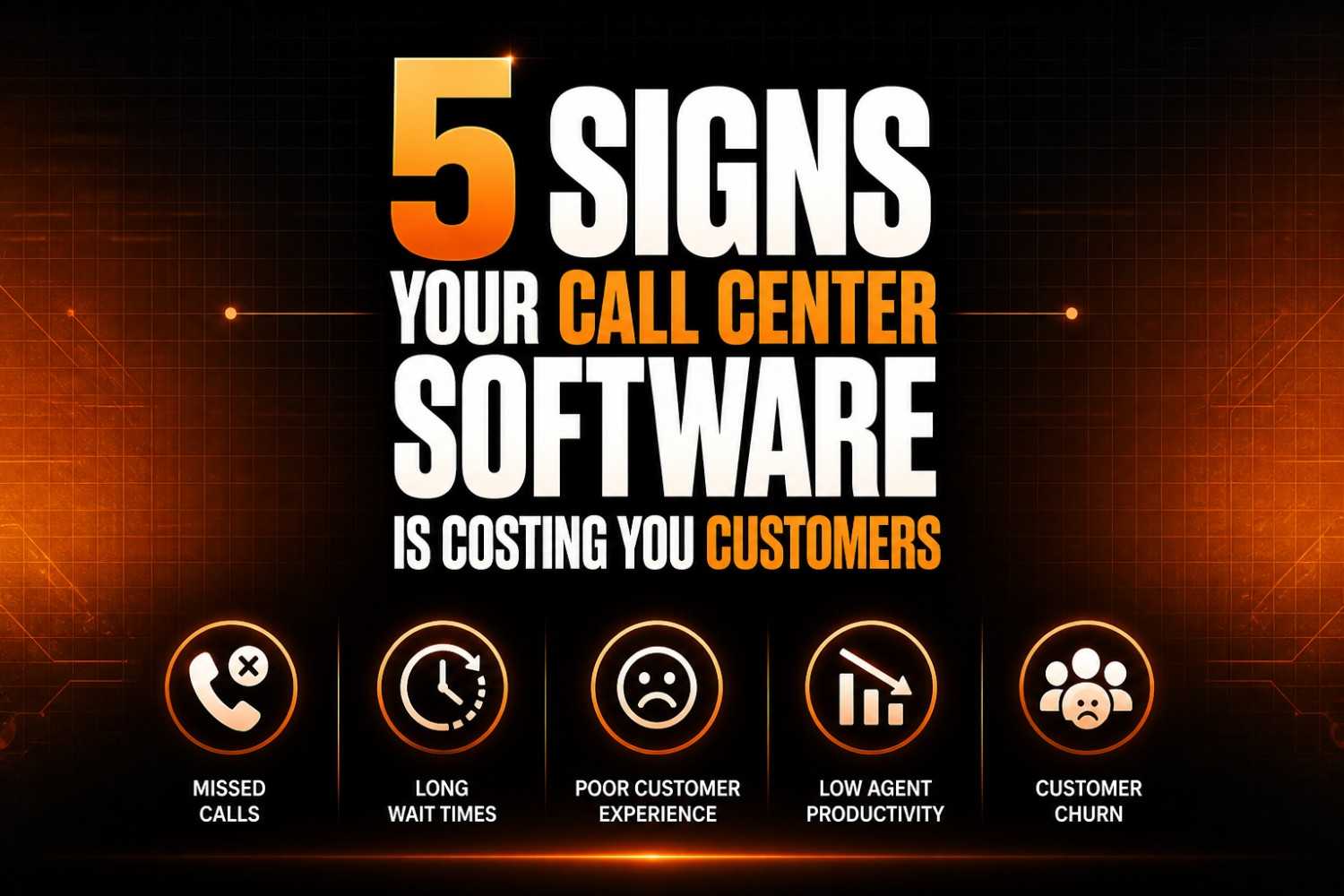
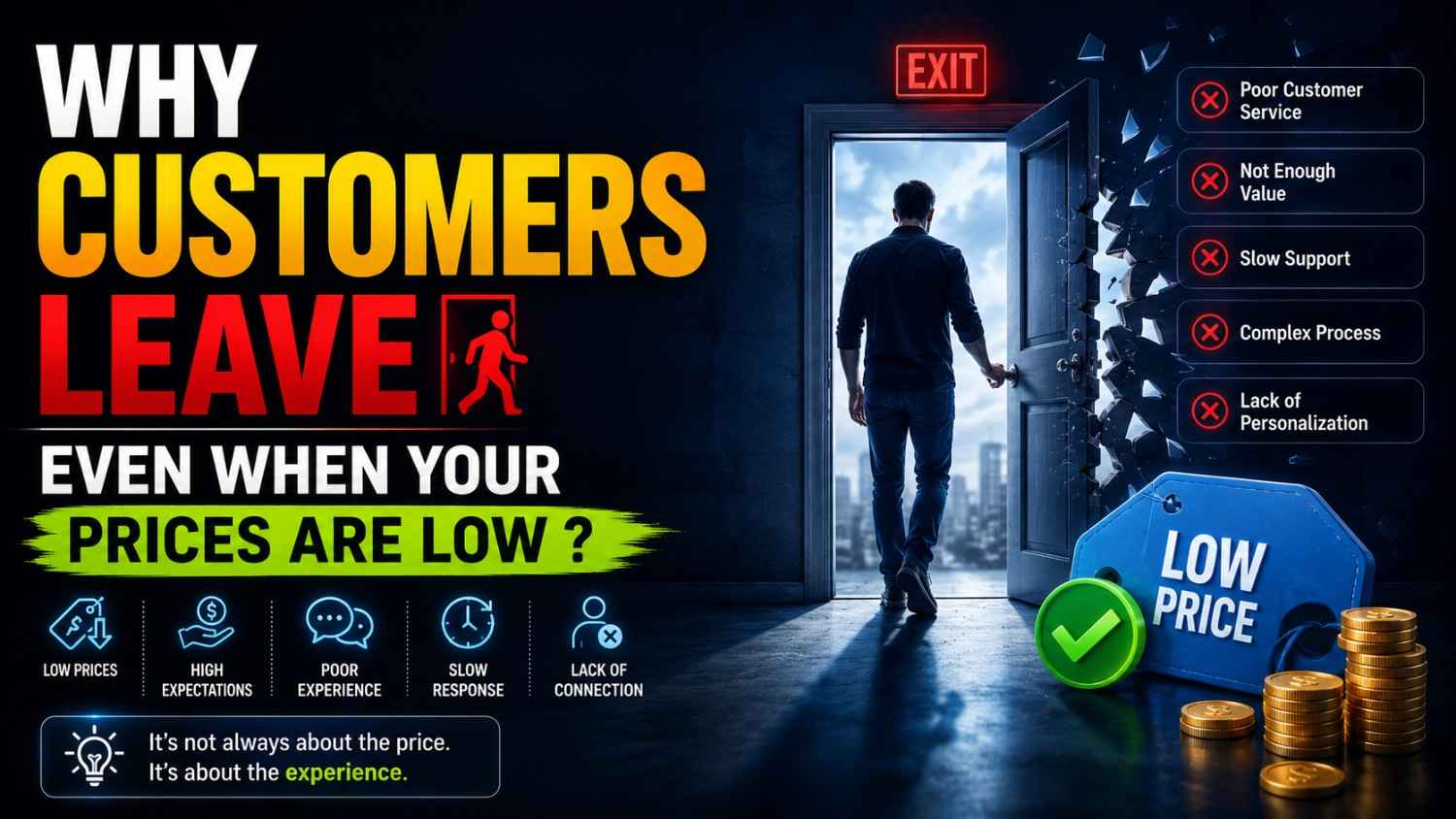
There's a version of this story every business owner knows. You look at your pricing, compare it to competitors, and think — we're cheaper, so people will stay. They don't. Sales slow down. Renewals drop. You run a discount campaign. Still nothing. And eventually, someone asks the question nobody wants to ask: why are people leaving if we're the affordable option?
The honest answer is uncomfortable: price was never the real reason they stayed in the first place.
This isn't a niche problem. It plays out across industries — SaaS, retail, services, e-commerce. Low prices attract customers. But they don't hold them. And once you understand why, everything about how you build your business — your product, your service, your communication — starts to look different.
The Price Trap
Competing on price feels logical. It's the most visible lever you can pull. Lower your number, get more customers. Simple math. Except the customers you attract on price alone are, almost by definition, shopping on price. They will leave the moment someone offers a lower number. You haven't earned loyalty — you've rented attention.
This is what's sometimes called the "price trap," and it's genuinely difficult to escape once you're in it. You slash margins to compete. Competitors respond. You slash again. The race to the bottom doesn't end when you win — it ends when someone in the race runs out of money.
But the deeper problem isn't the competitors. It's that low prices attract a customer segment that has almost no reason to stay beyond the price itself. Remove the price advantage and you've removed the entire relationship.
Meanwhile, businesses that charge more and retain better aren't doing magic. They've just built things that price can't replicate.
Reason 1: They Don't Feel Like You Actually Know Them
Personalization has become such a marketing buzzword that the real meaning got lost. It doesn't mean slapping someone's first name in an email. It means showing up in a way that proves you actually pay attention.
When a customer feels like a transaction — just another order number, another support ticket — they don't build any attachment to you. And when the time comes to renew, reorder, or recommend you to someone else, there's nothing there. No reason to choose you over whoever's next in the search results.
Think about the businesses you personally keep coming back to, even when cheaper alternatives exist. Probably the ones that remembered your preference, anticipated what you'd need, or handled a problem without you having to explain it twice. That feeling of being known is surprisingly rare, and it's worth more than a 15% discount.
Most low-price businesses don't invest in this because margins are tight and it seems like a luxury. But it's actually the thing that would let them raise prices later.
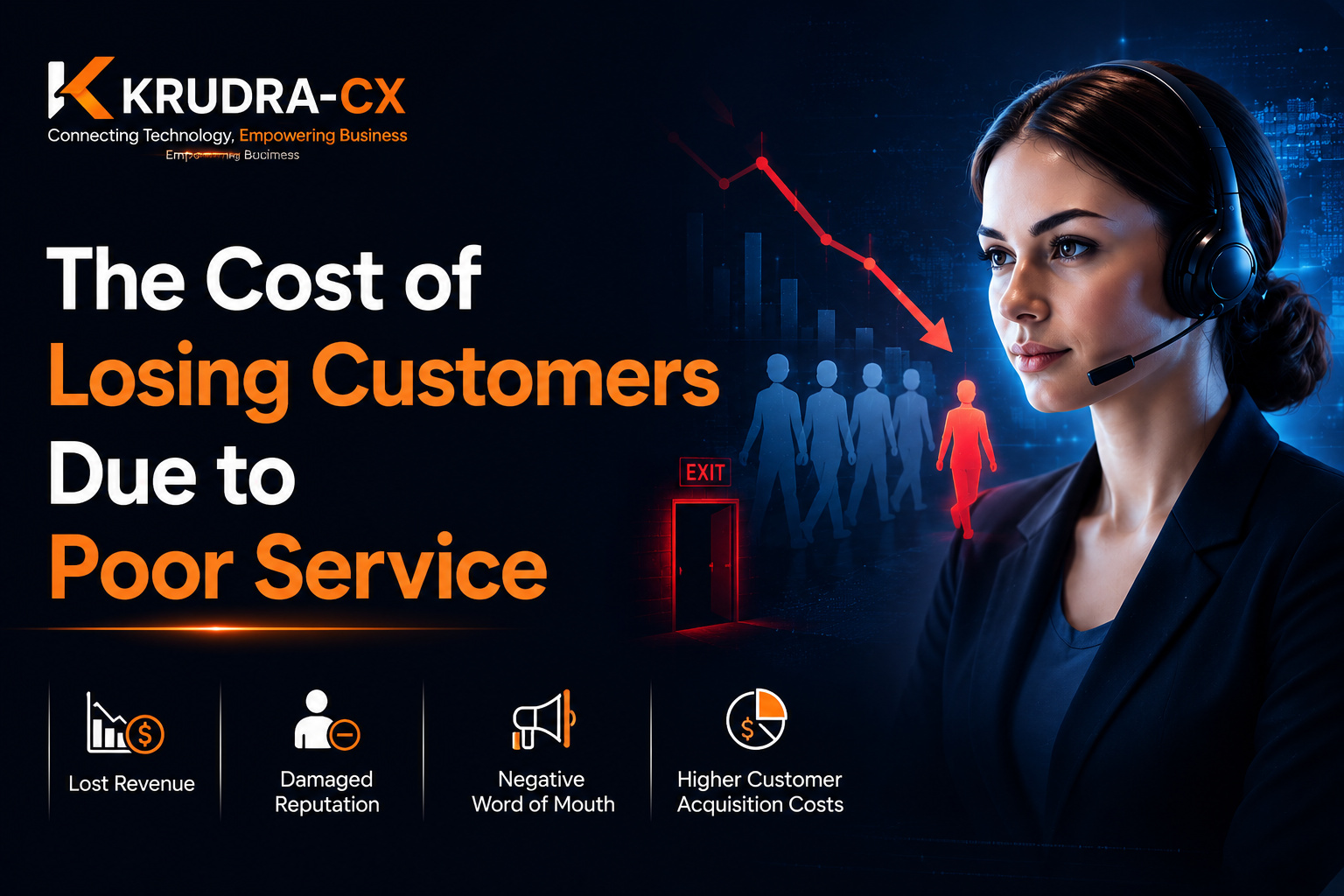
Reason 2: Your Customer Service is Costing You More Than You Think
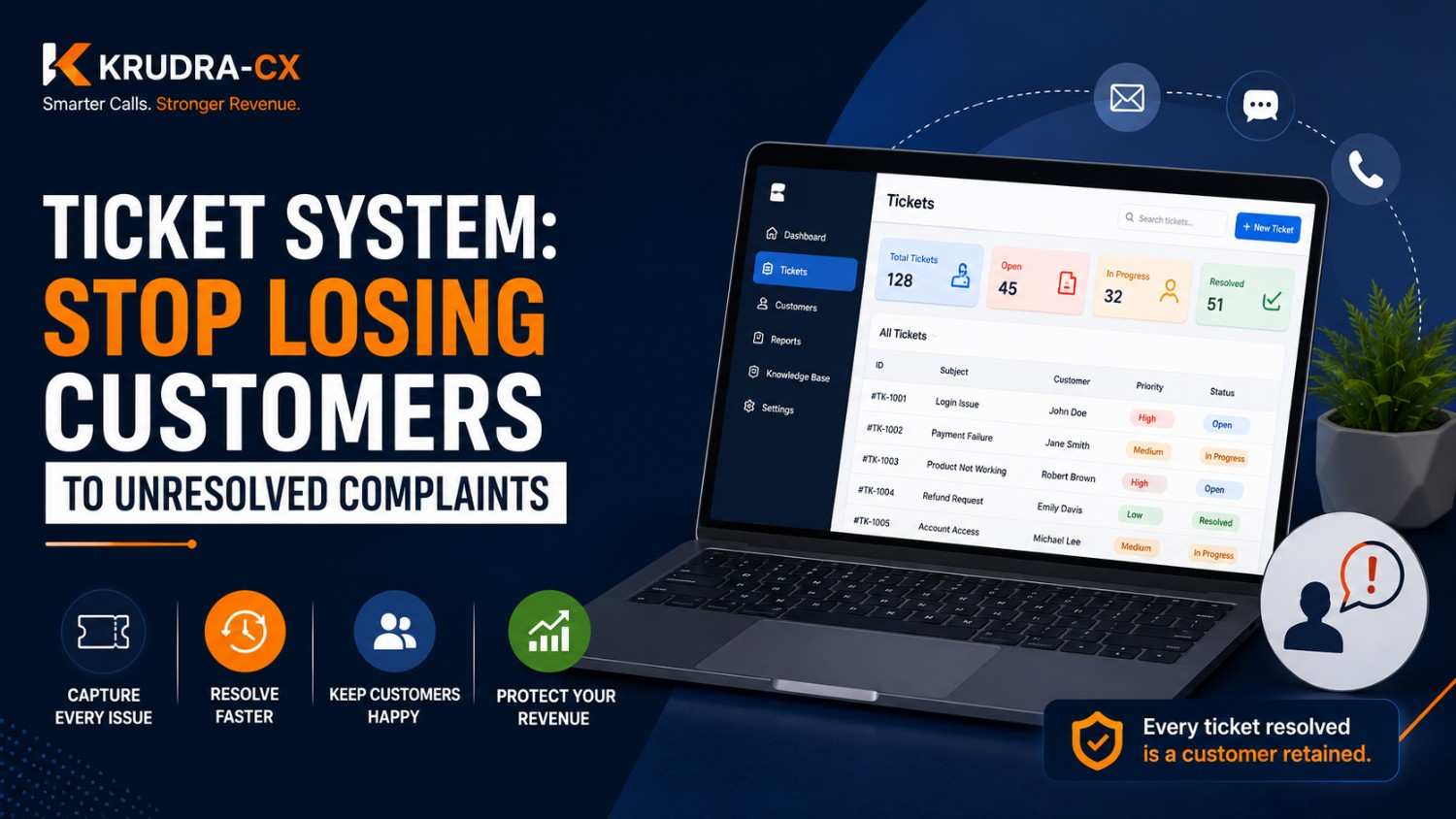
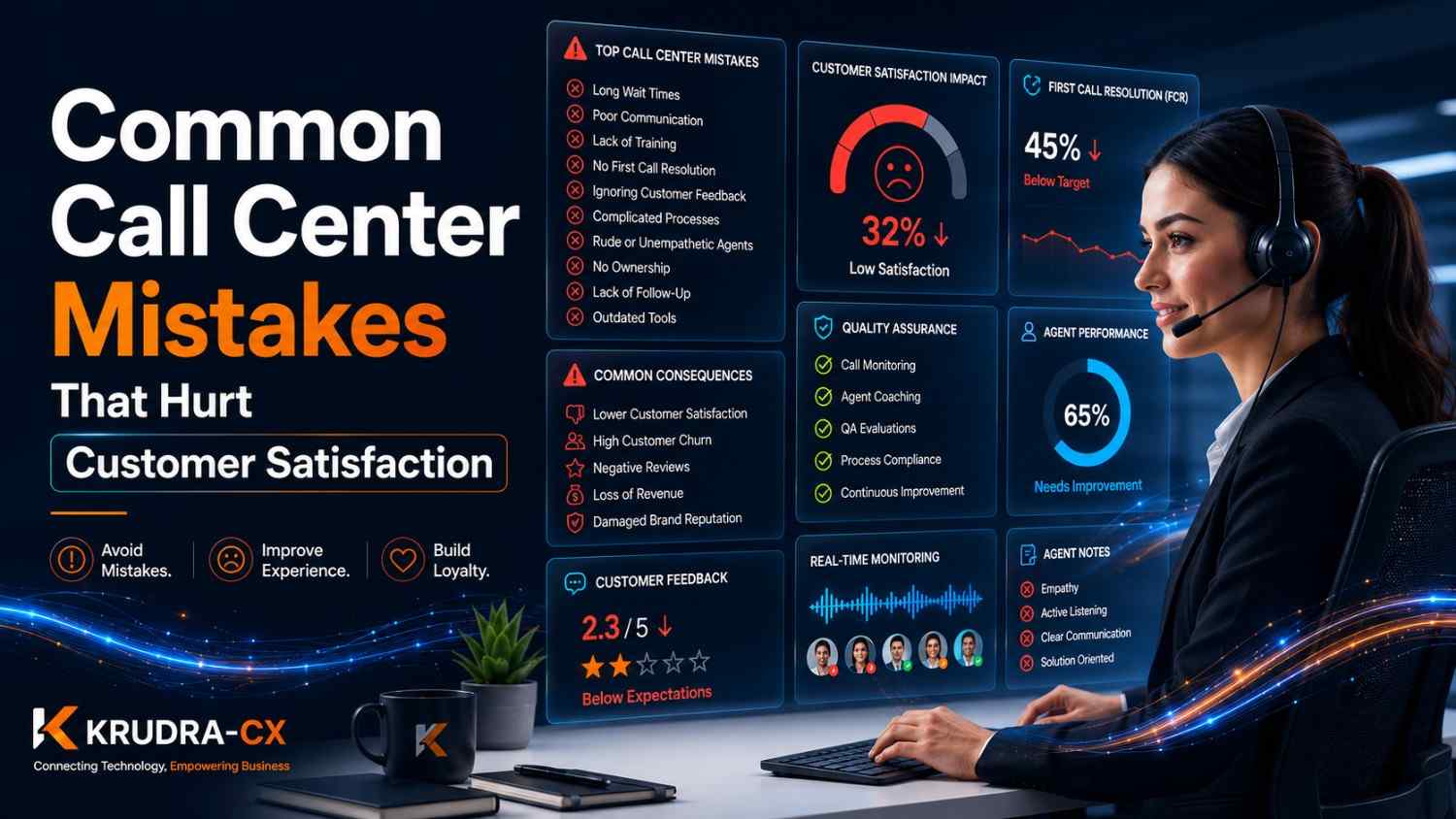
This one is especially brutal because bad customer service is often invisible to the people providing it. Your team thinks they handled the ticket. The customer thinks the experience was a nightmare. These two things can both be true.
Speed matters. If someone reaches out with a problem and waits 48 hours for a generic response, they've already started looking elsewhere. But speed without quality is just fast disappointment. Customers can tell when they're getting a canned reply. They can tell when no one actually read their message.
The research on this is pretty clear: a majority of customers who leave a business don't do it because the product was bad. They do it because of how they were treated when something went wrong. The product can be imperfect — most products are — but if you handle the rough edges well, people stay. If you handle them poorly, they leave and tell their friends about it.
And in a world where reviews are public and social media amplifies complaints, one badly handled support interaction can cost you far more than the customer who actually had the problem.
Low-cost operators often cut support staffing because it's an obvious place to save money. This is almost always a mistake. Good support is one of the few things that creates emotional loyalty — the kind that survives a competitor offering a better price.
Reason 3: The Experience Doesn't Match What You Promised
Your website says one thing. Your product delivers something slightly different. Your sales process implies a level of service your team can't consistently provide. This gap — between the promise and the reality — is quietly one of the biggest drivers of churn in businesses that can't figure out why people are leaving.
Customers walk in with expectations. Those expectations were set by your marketing, your reviews, your pitch. If reality lands short of that, they feel deceived — even if you never technically lied. The emotional response is the same.
This is why some businesses with genuinely mediocre products retain customers well: they set honest, modest expectations and then meet them reliably. And why some businesses with objectively good products lose customers: they oversell and underdeliver.
The fix here isn't to sell less aggressively. It's to make sure what you're selling is actually what the customer gets. Walk through your own customer journey occasionally. Read your own marketing with fresh eyes. Ask yourself: if someone took this completely at face value, would they be satisfied with what we actually deliver?
If the answer is no, you've found something worth fixing.
Reason 4: They Don't Trust You
Trust is built slowly and destroyed fast. And it's especially fragile in the early stages of a customer relationship, when someone is still evaluating whether they made the right choice.
Trust-eroding things look like: inconsistent information across your site and your support team, pricing that changes without clear explanation, promises that get walked back after purchase, difficulty cancelling or getting a refund. None of these are dramatic betrayals. But each one sends a small signal that the business isn't quite straight with them.
Businesses that compete on price sometimes have structural reasons for trust problems. They cut corners to keep costs low. They use confusing billing because it reduces cancellations. They make returns difficult because returns cost money. Short-term, these approaches work. Long-term, they poison the relationship and generate exactly the kind of reviews and reputation that make it hard to grow.
The businesses with the most loyal customers — the ones who'll pay a premium without much complaint — are almost always the ones with the most boring, straightforward business practices. Clear pricing. Easy refunds. Honest communication when something goes wrong. No surprises.
Reason 5: Your Product Has Stopped Moving Forward
This one hits hardest in software and subscriptions, but it applies anywhere customers have ongoing expectations of improvement.
When someone signs up, they're buying the product as it is and as it's going to be. They're betting that you'll keep making it better, that problems will get fixed, that features they need will eventually arrive. The moment a customer stops believing that — when they look at your product and think this is as good as it's going to get — they start thinking about alternatives.
Customer retention and product development are not separate problems. A stagnant product signals a stagnant company. Even if nothing is broken, the absence of visible progress creates doubt.
This doesn't mean you need to ship constantly. It means customers need to feel like the product is alive. Update notes, roadmap communication, beta features, even just honest "here's what we're working on" posts — these matter more than most product teams realize. They're proof that you're still paying attention.
Reason 6: You're Not Building Community or Identity
Some businesses are just transactional. You buy something, you use it, you move on. That's fine for certain products. But for anything with recurring revenue or repeat purchasing, transactional businesses have a ceiling.
The businesses that retain best usually build something beyond the product itself. A community. A sense of belonging to something. An identity people want to associate with. This sounds abstract but it shows up in very concrete ways: forums, user groups, social channels where customers actually talk to each other, events, loyalty programs that feel meaningful rather than mechanical.
When someone identifies as a customer — when using your product or service is part of how they see themselves — the switching cost goes up enormously. Not because leaving is technically difficult, but because leaving means giving up something that feels like theirs.
Low-cost businesses rarely invest in this because it seems soft, unmeasurable, not directly tied to revenue. But look at the businesses with the best retention numbers in any category, and you'll almost always find something like this underneath.
Reason 7: The Onboarding Experience Set the Wrong Tone
The first few days or weeks with any product or service are disproportionately important. That's when customers form their impression of what working with you is actually like. A rough onboarding — confusing setup, no guidance, slow first response — creates an early association of friction that's hard to shake.
And the opposite is also true. A first experience that's genuinely smooth, where someone quickly gets to the point where they understand the value, creates confidence. They came in with questions about whether they made the right choice. Good onboarding answers those questions early.
Many businesses pour money into acquiring customers and almost nothing into the first experience those customers have. This is backwards. Acquisition brings people in the door. Onboarding is what makes them stay.
Reason 8: You're Not Communicating Enough — or in the Right Way
Silence feels like abandonment. When customers don't hear from you, they don't think "great, nothing to worry about." They think "I wonder if this company still exists. I wonder if they care about me. I should look at what else is out there."
Regular, meaningful communication keeps you present in the customer's mind. Not spam — actual communication that's useful. Product updates. Tips for getting more value. Honest information about changes. Check-ins that don't feel like sales pitches.
The businesses that retain well have usually figured out a cadence that works. They show up enough to stay top of mind without being obnoxious. They make customers feel like they're inside the loop rather than just a name on a list.
And when something goes wrong — an outage, a delay, a mistake — proactive communication makes an enormous difference. Customers who find out about a problem from you feel respected. Customers who find out from their own experience feel let down.
Reason 9: Your Loyal Customers Feel Invisible
Here's an irony: the customers most likely to leave aren't always the newest ones. Sometimes it's the people who've been with you for years, who've seen all the promotions for new customers, who've watched the introductory discounts and the "first month free" offers and wondered whether the company values them at all.
Loyalty programs that only reward new behavior miss this. The customer who's been paying full price for three years while watching you run acquisition deals is quietly doing math. They're comparing what they're getting versus what a new customer would get. If that math doesn't work in their favor, they eventually leave — and they're the hardest to win back because the trust damage is specific.
Reward history. Acknowledge longevity. Make the customers who've been with you the longest feel like they got a good deal by staying, not like they got taken advantage of for not reading the fine print.
Reason 10: They Found Someone Who Cares More
At the end of it, this is often the simplest explanation. A competitor came along who paid more attention. Who followed up. Who sent a handwritten note, or remembered a detail from the last conversation, or solved a problem without being asked. And your customer, who was already feeling a little undervalued, made the switch.
You don't have to be the cheapest to win on this. You have to care more visibly. You have to make people feel like they matter to you — not as revenue, but as actual people whose problems you want to solve.
This is achievable regardless of your price point. In fact, it's more achievable at higher price points, because you have the margin to invest in the relationship. The businesses that compete on price often don't have that margin. Which is another reason the low-price strategy is self-limiting.
What Actually Keeps Customers
So what does work? Not a single thing — a combination of things, most of them unglamorous.
Consistent delivery. Do what you said you'd do, every time, reliably. This sounds obvious. It's rarer than it should be.
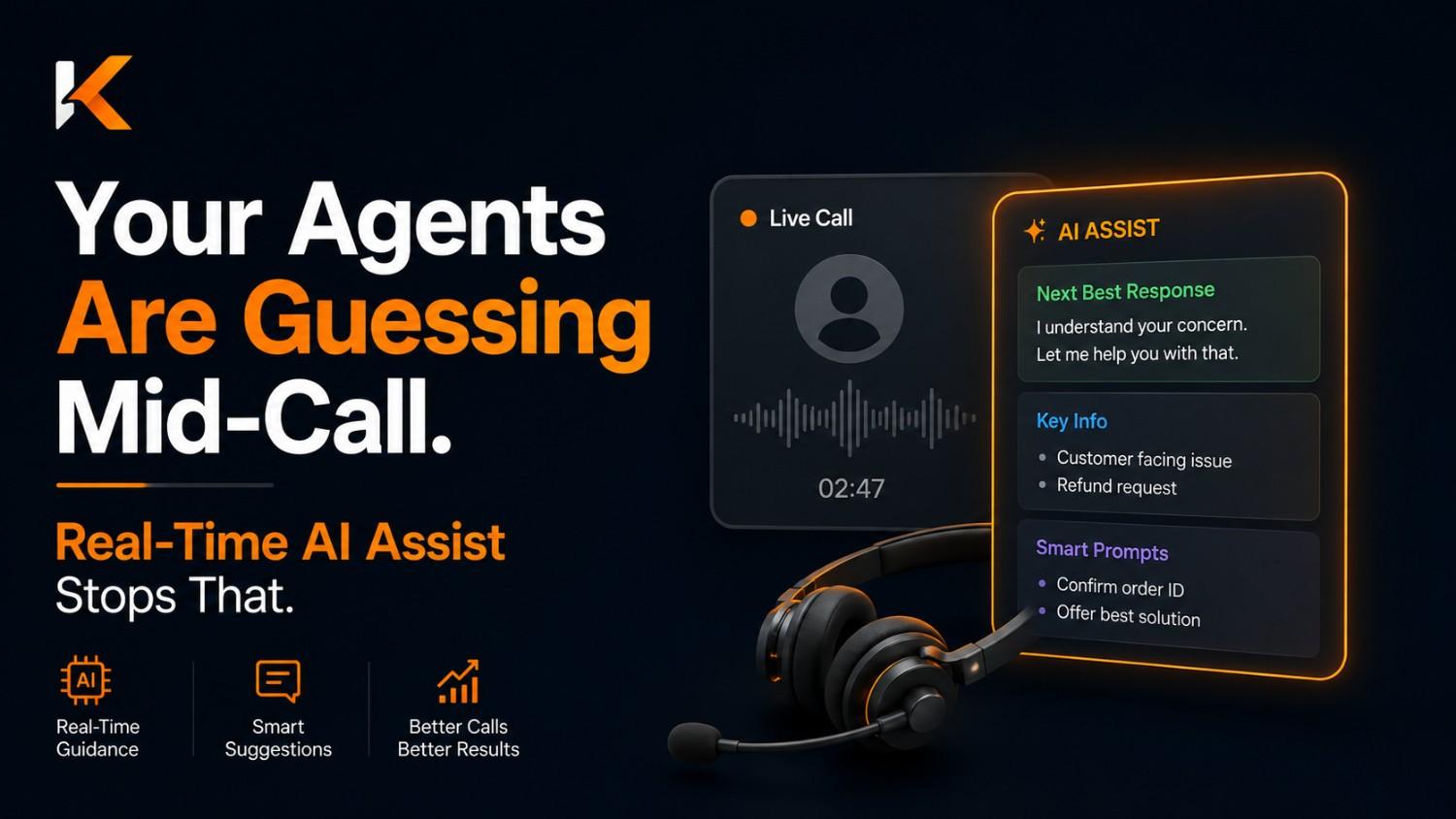
Responsive support. Not perfect products — no product is perfect — but problems handled fast and with actual care.
Honest communication. Clear pricing, no surprises, proactive updates when things change.
Visible progress. Show customers that you're still working, still improving, still paying attention.
Recognition. Acknowledge the customers who've been with you. Make loyalty worth something.
Community. Give customers a reason to feel part of something beyond the transaction.
None of these require low prices. Several of them actually require the opposite — margin to invest in people, support, and product. This is why the long-term math of competing on price is so often a trap: it removes the resources you'd need to build the things that actually create retention.
The Real Question
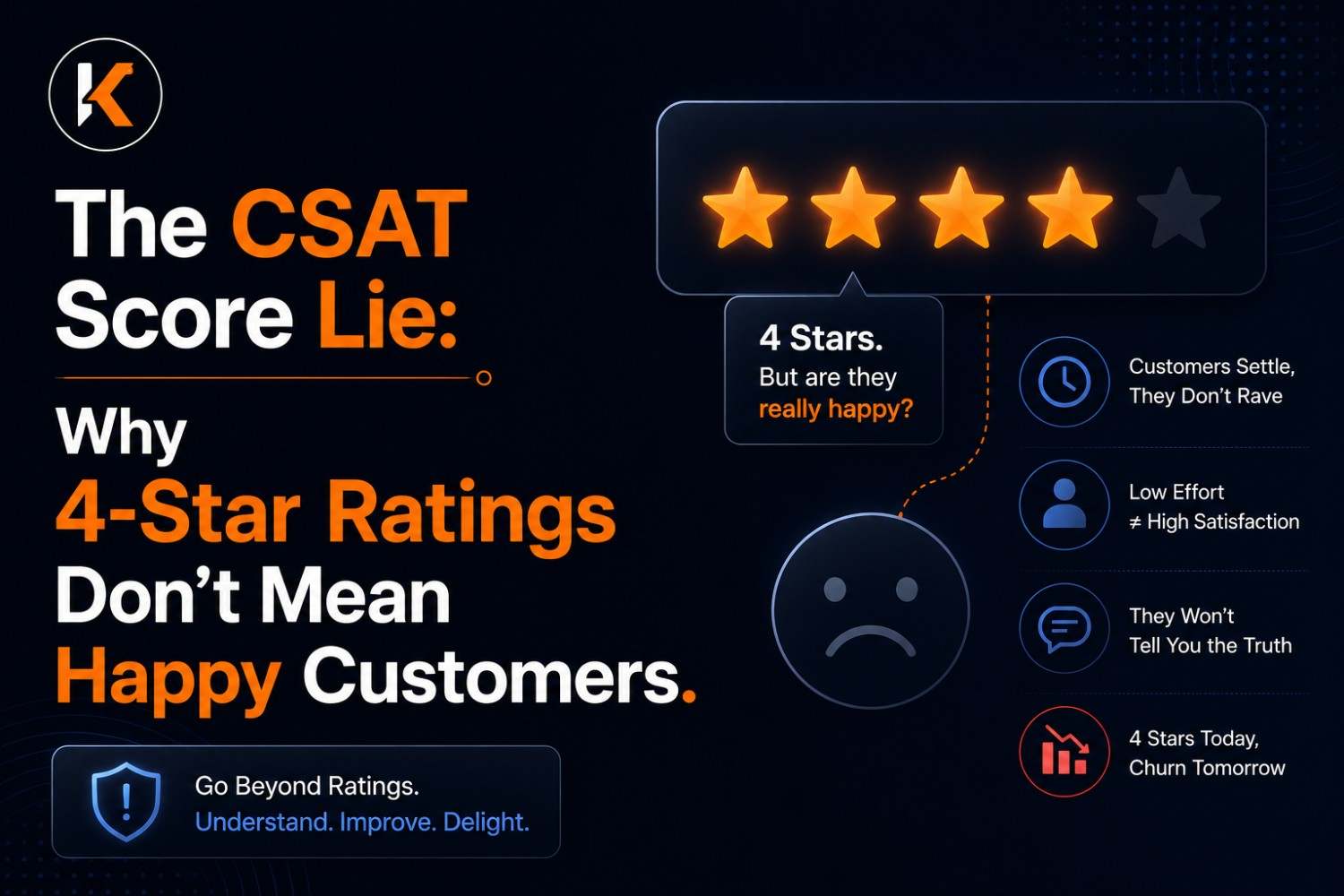
If your prices are low and customers are still leaving, the price was never the problem. Something else broke trust, or never built it. Some expectation was set and not met. Some customer felt unseen, or underserved, or just found something better.
The good news is that all of these things are fixable — and none of the fixes require lowering your prices further. Most of them require raising your standards instead.
Go talk to the customers who left. Not to win them back, just to understand. Ask what happened. Ask what was missing. Ask what would have made them stay. Most of them will tell you. And what they tell you will almost never be "the price was too high."
That's the data that changes how you run a business.
Ready to Stop Losing Customers You've Already Won?
At Krudracx, we work with businesses that are serious about retention — not just acquisition. We help you identify exactly where your customer experience is breaking down, build systems that create loyalty, and design a customer journey that keeps people coming back without relying on discounts to do the heavy lifting.
If you're tired of watching customers leave despite doing everything "right," we should talk. Our team has helped businesses reduce churn, increase lifetime value, and build the kind of reputation that makes growth compoundable.
Book a free strategy session with Krudracx today. No pitch, no pressure — just an honest conversation about where your business is losing people and what it would take to change that.
👉 Get Started with Krudracx | Talk to Our Team