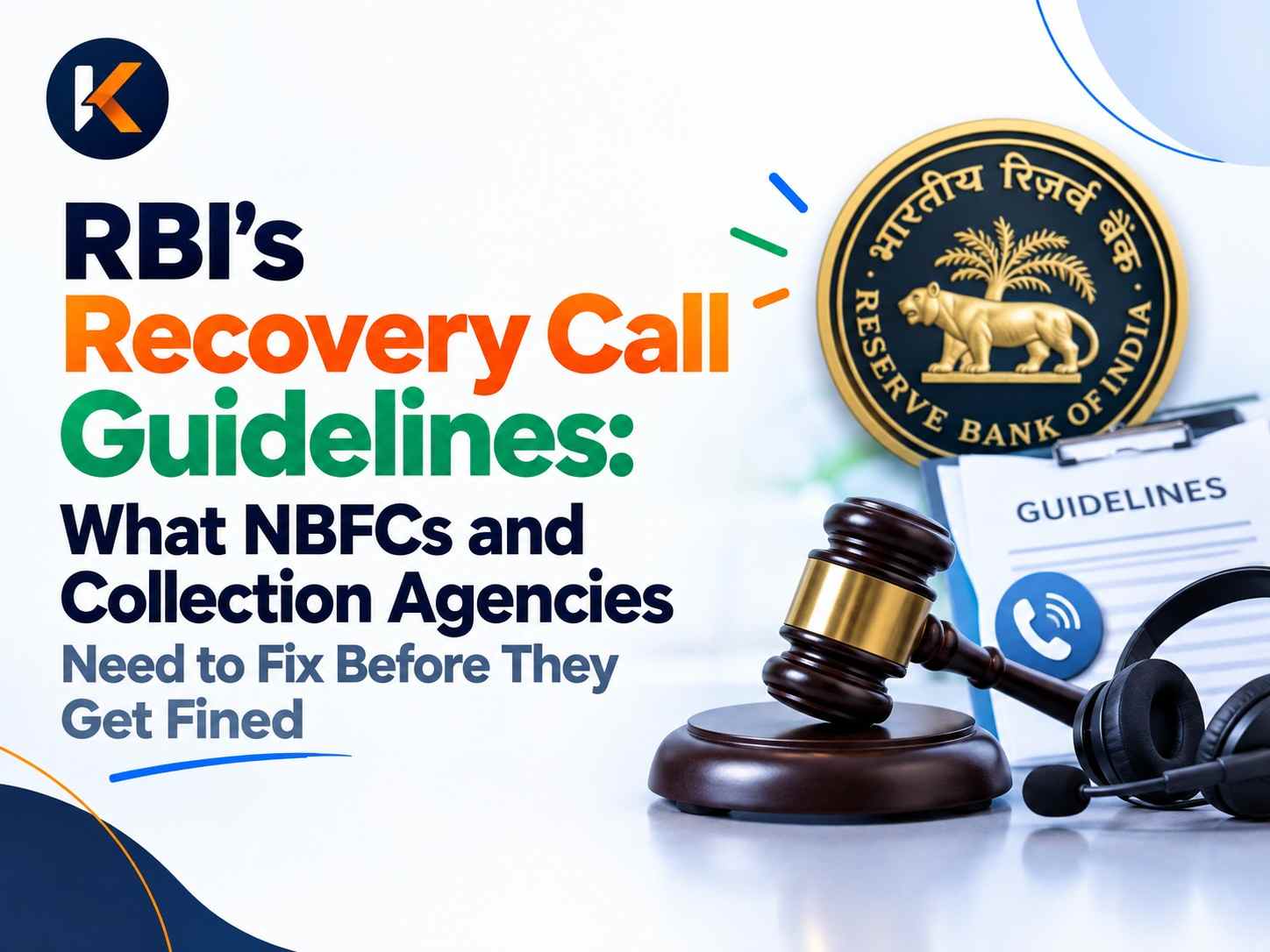
RBI's Recovery Call Guidelines: What NBFCs and Collection Agencies Need to Fix Before They Get Fined
If you run collections for an NBFC, a loan servicing company, or a third-party recovery agency, you've likely already felt the shift: RBI scrutiny on recovery practices has tightened, and it's no longer just about what your agents say on a call — it's about whether you can prove what was said, when, and how.
The gap most collection operations are getting caught on isn't policy. It's infrastructure. Teams have a fair practices code written down somewhere, but their call center setup can't actually demonstrate that it's being followed on every call, every time. That gap is exactly what an audit or a customer complaint exposes.
Here's what's actually being scrutinized, and what a compliant call center setup looks like in practice — not in theory.
Why This Is Suddenly Urgent
Recovery call conduct has always technically been regulated under RBI's Fair Practices Code, but enforcement has historically been reactive — acted on after a customer complaint escalated. That's changed. Regulatory attention on collection practices has intensified, with scrutiny extending down to third-party recovery agents acting on behalf of NBFCs, not just the NBFC's own staff.
The practical effect: an NBFC is now accountable for how its outsourced collection partners behave on calls, not just its own agents. If your recovery process runs through a third-party call center, "that's their problem, not ours" is no longer a safe position to hold.
The Four Areas Actually Getting Flagged
1. Call Timing Violations
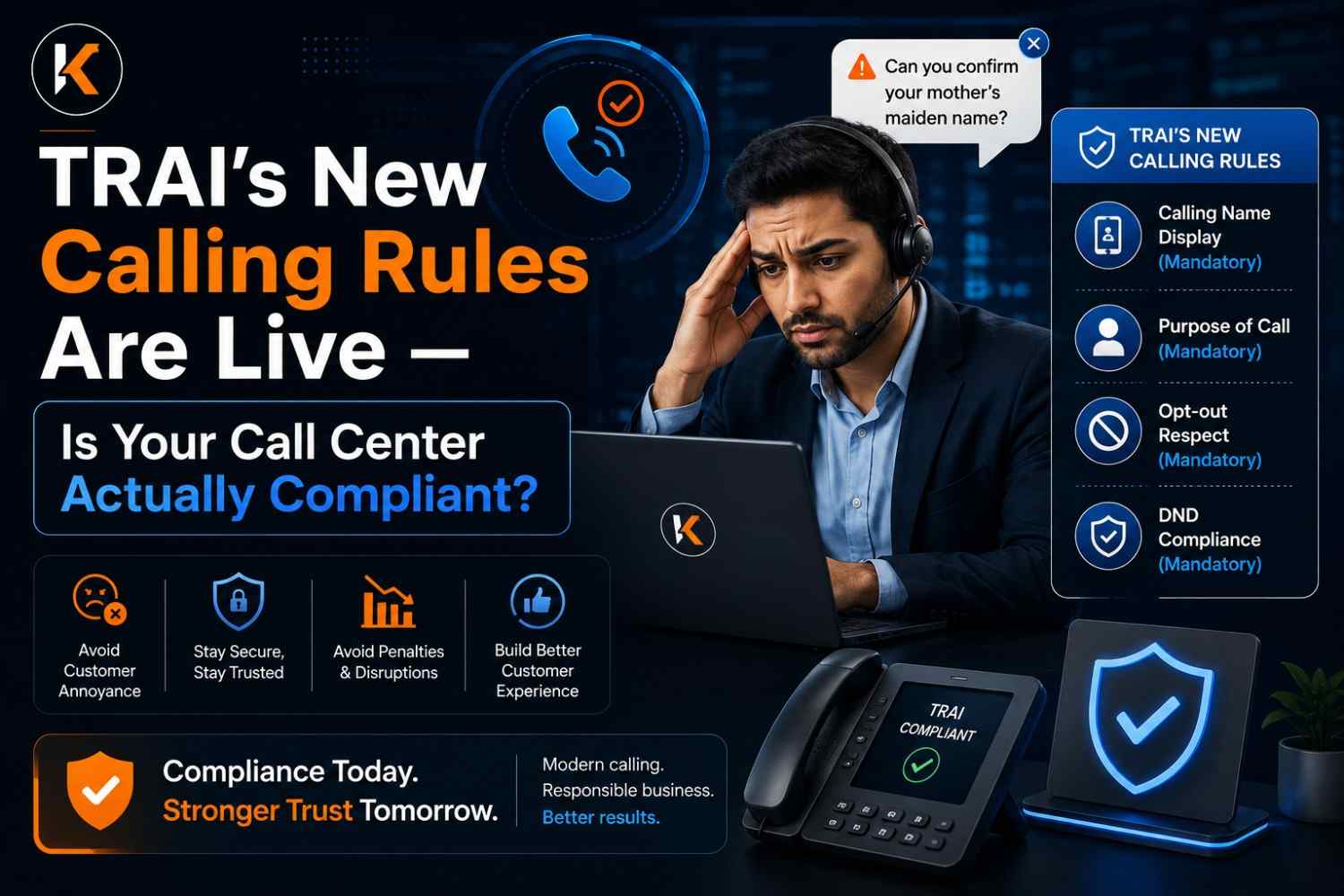
Recovery calls outside permitted hours (typically 7 AM to 7 PM) are one of the most common and easiest-to-prove violations, because timestamps don't lie. The problem isn't usually intentional — it's a dialer that doesn't hard-block calls outside the window, or an agent working past shift end and squeezing in "just one more call."
What compliant looks like: your dialer system should hard-enforce calling windows at the system level, not rely on agent discipline. If a call can't technically be placed outside 7 AM–7 PM, it never will be.
2. No Verifiable Call Recording Trail
When a customer files a complaint alleging harassment or misconduct, "we believe our agent handled it correctly" is not a defense. A complete, time-stamped, retrievable call recording is. Many collection operations record calls but can't easily retrieve or search them when needed — which functionally makes the recording useless during an actual dispute or audit.
What compliant looks like: every recovery call recorded automatically, indexed by borrower ID and date, retrievable within minutes, not days, and retained for the regulatory minimum period without manual intervention.
3. Undocumented Agent Conduct and Escalation Handling
RBI guidelines are specific about tone and conduct — no threats, no visits or calls to third parties like neighbors or employers, no misrepresentation of legal authority. The challenge for most operations isn't training agents on this once; it's proving consistent adherence across hundreds of calls a day, especially with high agent turnover.
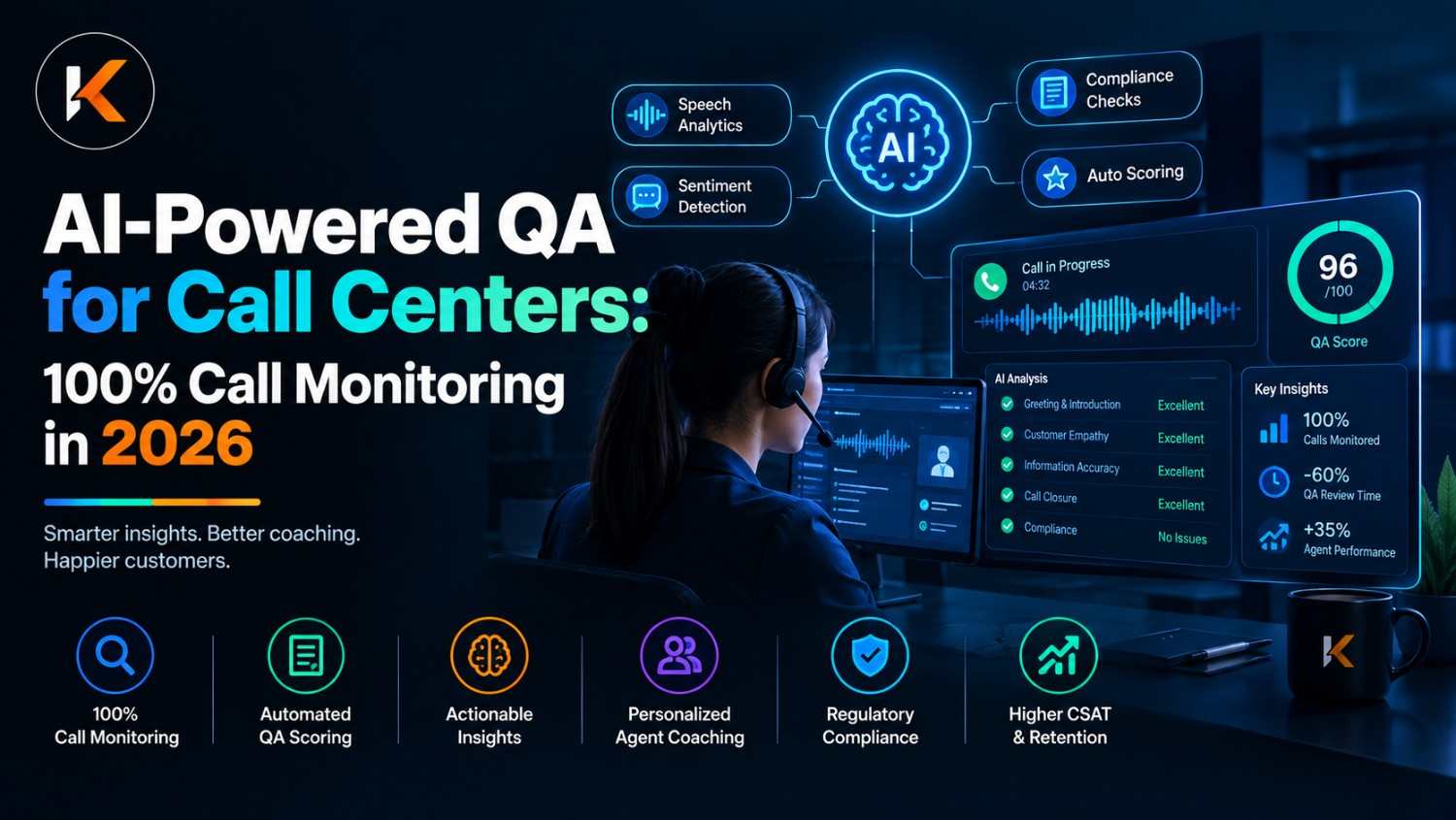
What compliant looks like: live sentiment monitoring that flags calls where tone escalates, combined with a QA scorecard specifically built around fair-practices criteria — not just a generic customer service quality score. Flagged calls get reviewed same-day, not during a monthly audit that's too late to matter.
4. Third-Party Agency Oversight Gaps
If your recovery process uses outsourced agencies, you need visibility into their call practices, not just an assumption that their contract terms are being followed. Regulatory action increasingly holds the originating NBFC responsible for a partner agency's conduct.
What compliant looks like: a shared or auditable call recording and QA system across your outsourced partners, so you can demonstrate oversight — not just a service agreement sitting in a drawer.
Building a Compliance-Ready Collection Call Setup
The good news: none of this requires reinventing your collections process. It requires a call center infrastructure that makes compliance the default, not something agents have to remember to do correctly every single time.
A practical checklist:
- Hard-enforced calling windows at the dialer level, not the honor system
- Automatic call recording with fast, searchable retrieval by borrower and date
- Fair-practices-specific QA scorecards, reviewed on a same-day or near-real-time basis, not monthly
- Sentiment and escalation flagging that surfaces problem calls immediately rather than after a complaint is filed
- Consistent oversight extended to any outsourced recovery partners, not just in-house teams
- A retrievable audit trail you can hand over within hours if RBI or a customer ombudsman asks for it
The Real Cost of Getting This Wrong
The immediate risk is regulatory action and fines, but the more common cost is smaller and constant: complaints that escalate to the Banking Ombudsman because there's no recording to quickly resolve a dispute, reputational damage from a single bad call going public, and the operational cost of scrambling to retrieve records manually every time a compliance question comes up.
Compare that to the cost of a call center setup where every recovery call is automatically compliant by design — the calling window is enforced, the recording exists and is searchable, and problem calls get flagged before they become complaints. The second setup isn't more expensive to run. It's just built correctly from the start.
RBI's recovery call scrutiny isn't going to loosen — if anything, the accountability chain from NBFC to third-party agent is only getting tighter. The NBFCs and collection agencies that treat compliance as an infrastructure problem, not just a training problem, are the ones that won't get caught flat-footed when an audit or a complaint lands on their desk.
The fix isn't a longer policy document. It's a call center system where compliant behavior is the only behavior the system allows.
Want to see what a compliance-ready collections call center setup looks like — hard-enforced calling windows, searchable recordings, and fair-practices QA built in? Book a free demo with KRUDRA-CX and we'll walk through it against your current process.